WaterAid

// services
Interactive Installation
Experiential Design
Motion Design
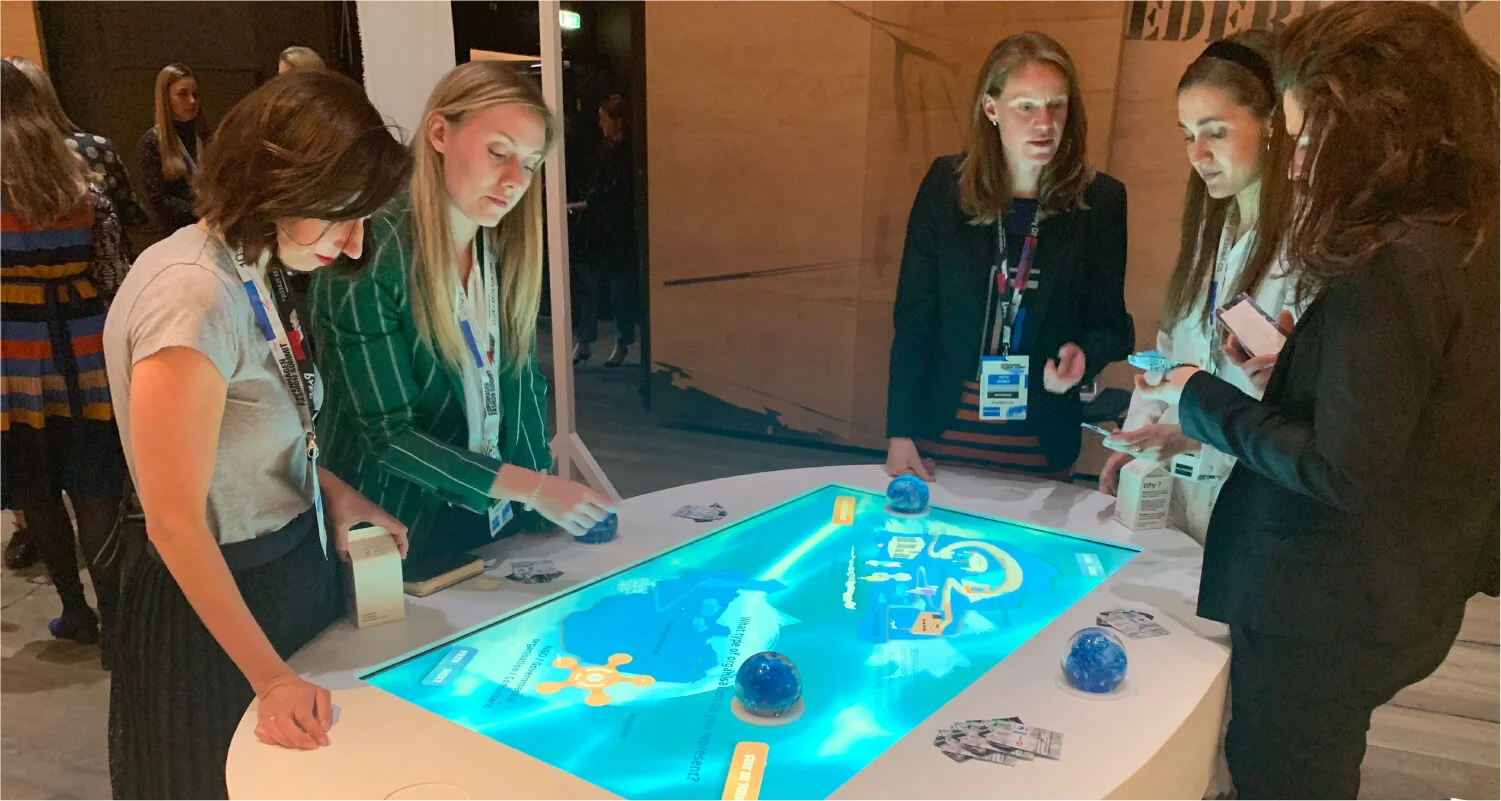
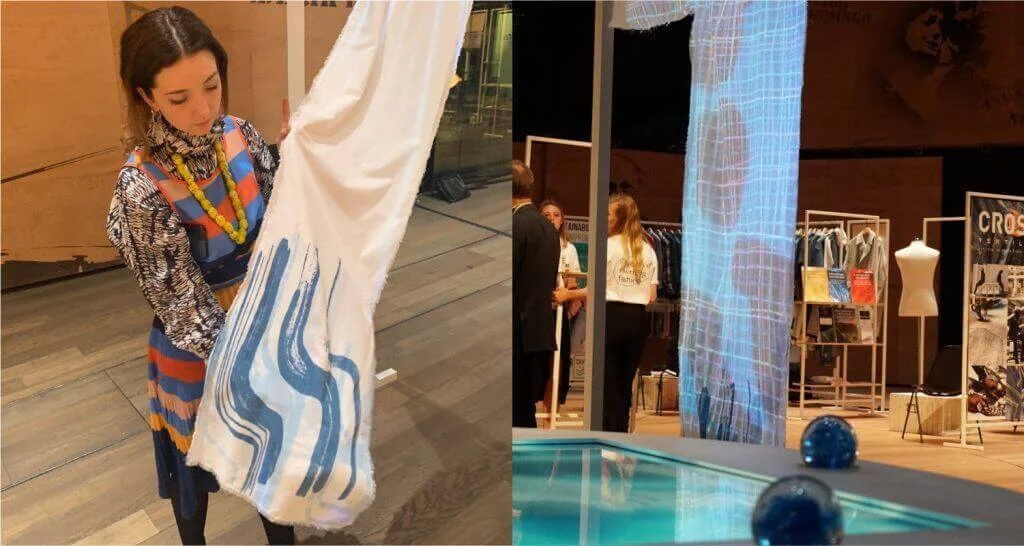
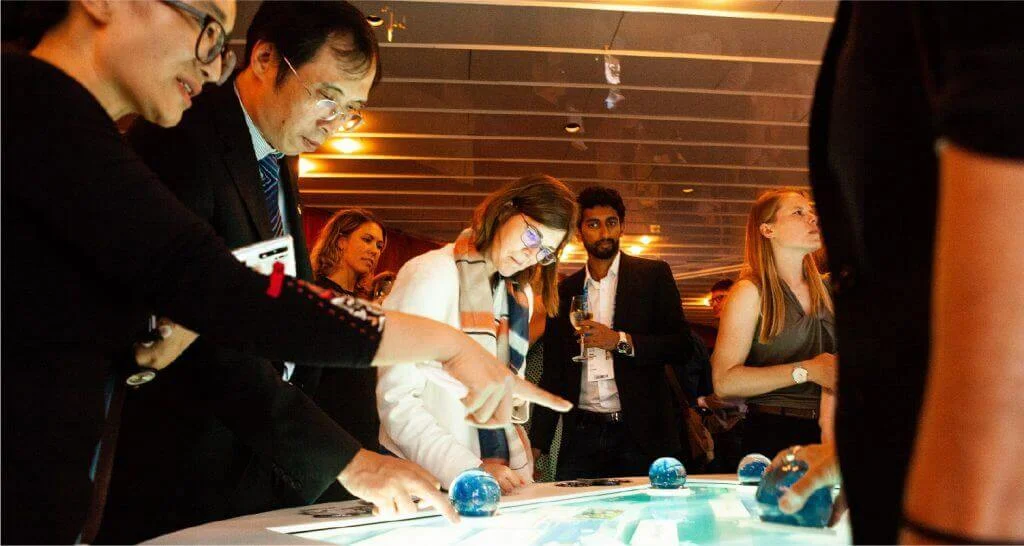
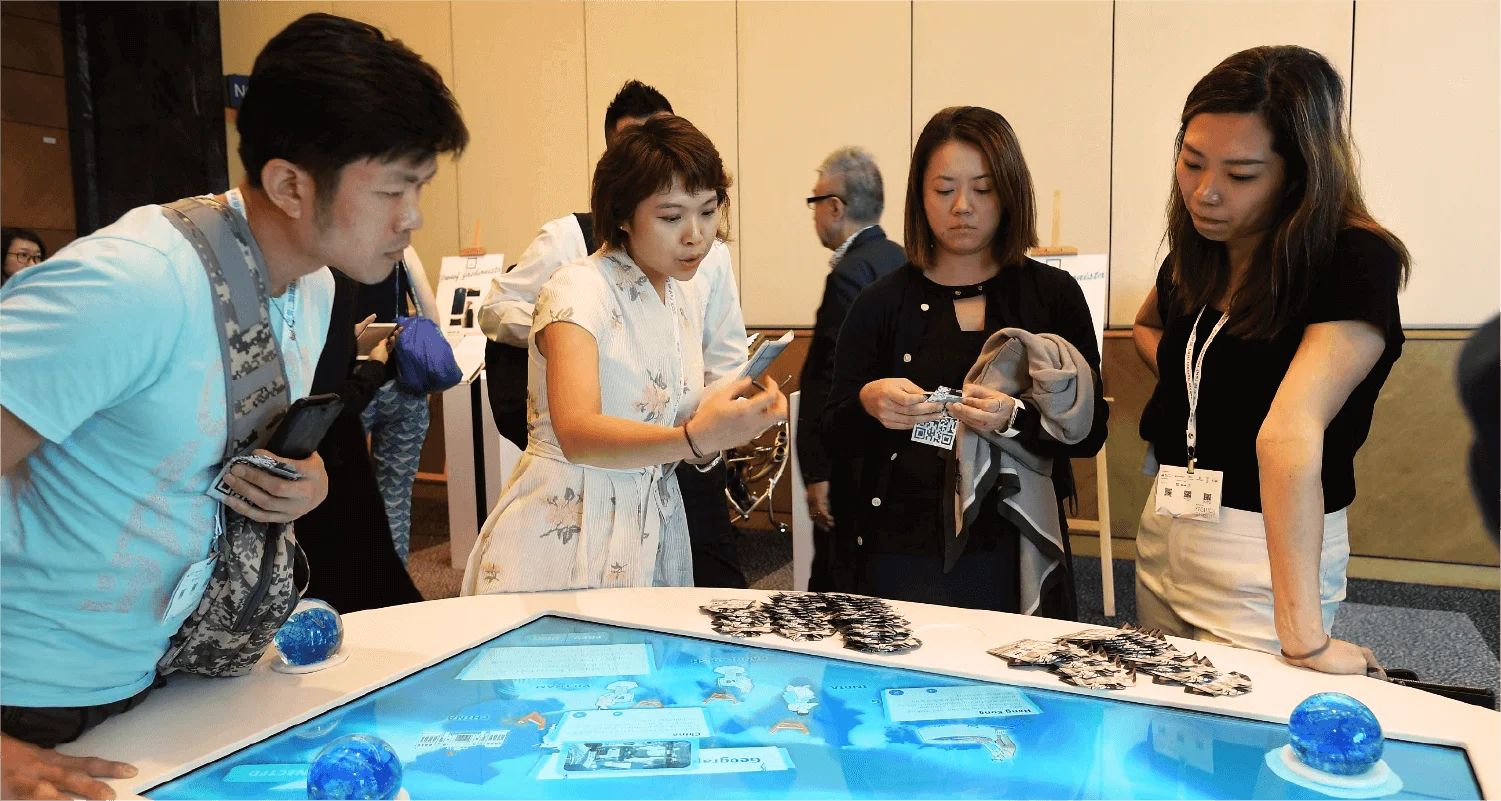
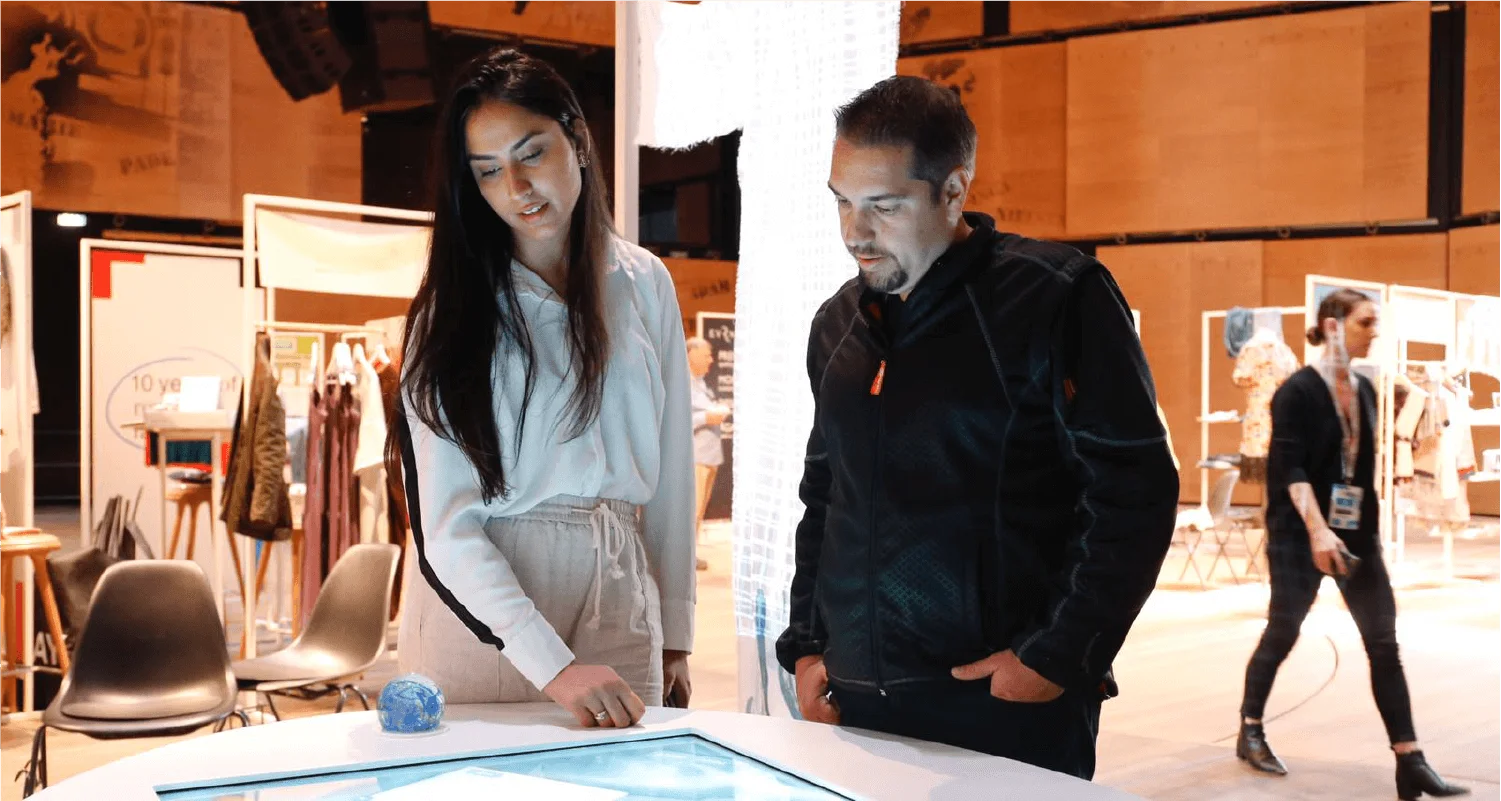
Interactive stakeholder experience Solarflare built for WaterAid, letting key audiences self-navigate the charity's global WASH programmes across multiple geographies.
Turning global data into personal understanding
WaterAid asked us to make their work tangible for stakeholders. We built interactive narratives that let key audiences explore the charity's global water, sanitation and hygiene programmes for themselves.The audiences WaterAid needed to reach, major donors, institutional partners, government stakeholders, are experienced evaluators of information. A summary deck or a presenter running through statistics would not move them. What moves people at this level is direct encounter with the work: seeing the scale of a programme, understanding the specific decisions made on the ground, following a narrative from problem to outcome. We designed for self-directed exploration rather than guided presentation.
Architecture for self-navigation
Building an experience for self-navigation requires different design decisions than building one for a presenter to walk people through. Every entry point needs to be discoverable without instruction. Every path needs to feel complete rather than like a fragment of a larger story. And the depth has to be genuinely there, audiences who choose to explore further need to find something worth finding.We structured the experience around WaterAid's WASH programme geographies, letting users move between regions and drill into specific initiatives. The information architecture mirrored the way WaterAid's own teams think about the work, which made the experience feel authoritative rather than simplified for external consumption.
Impact that compounds over time
Interactive stakeholder experiences like this one carry value beyond the event or meeting where they are first deployed. Because audiences navigate them rather than receive them, the understanding they build is more durable. Stakeholders who explored the WaterAid narratives themselves came away with a more detailed and accurate picture of the organisation's global reach than a comparable presentation could have achieved in the same time.The experience also gave WaterAid a flexible tool they could deploy across different stakeholder contexts without rebuilding from scratch. The same architecture served major donor briefings, partnership discussions, and internal advocacy with equal credibility.