MOL Campus – Visitor Centre

// services
Interactive Installation
Experiential Design
Art Direction
Three interactive experiences Solarflare built with Pulse Group for MOL Campus Budapest: robotics demo, AR environment, and sustainability data visualisation, all serving MOL Group's 2030+ vision.
Three experiences, one vision
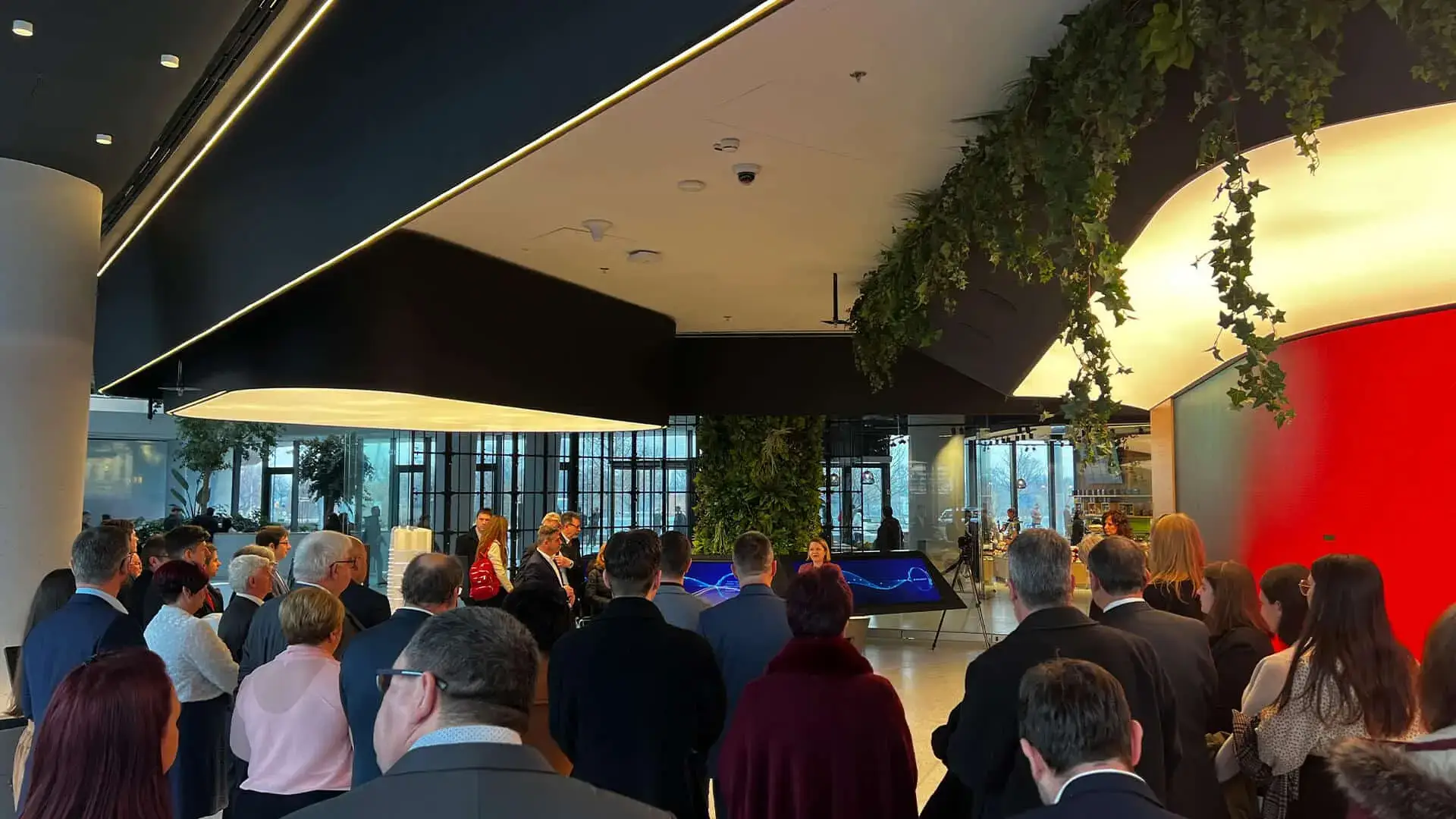
MOL Group's Budapest campus visitor centre needed to do more than describe a 2030+ sustainability strategy. It needed to make it tangible for every guest who walked through the doors. We worked with Pulse Group to design and build three distinct interactive experiences: a robotics demonstration, an augmented reality environment, and a large-format interactive data visualisation. Together they form a coherent narrative arc rather than a collection of standalone exhibits.The brief demanded corporate credibility without corporate stiffness. Visitors range from institutional stakeholders to school groups, so every experience had to work at multiple levels of technical literacy. We built with that range in mind, keeping interactions intuitive while letting the underlying complexity show where it added weight to the message.
Building the robotics and AR layers
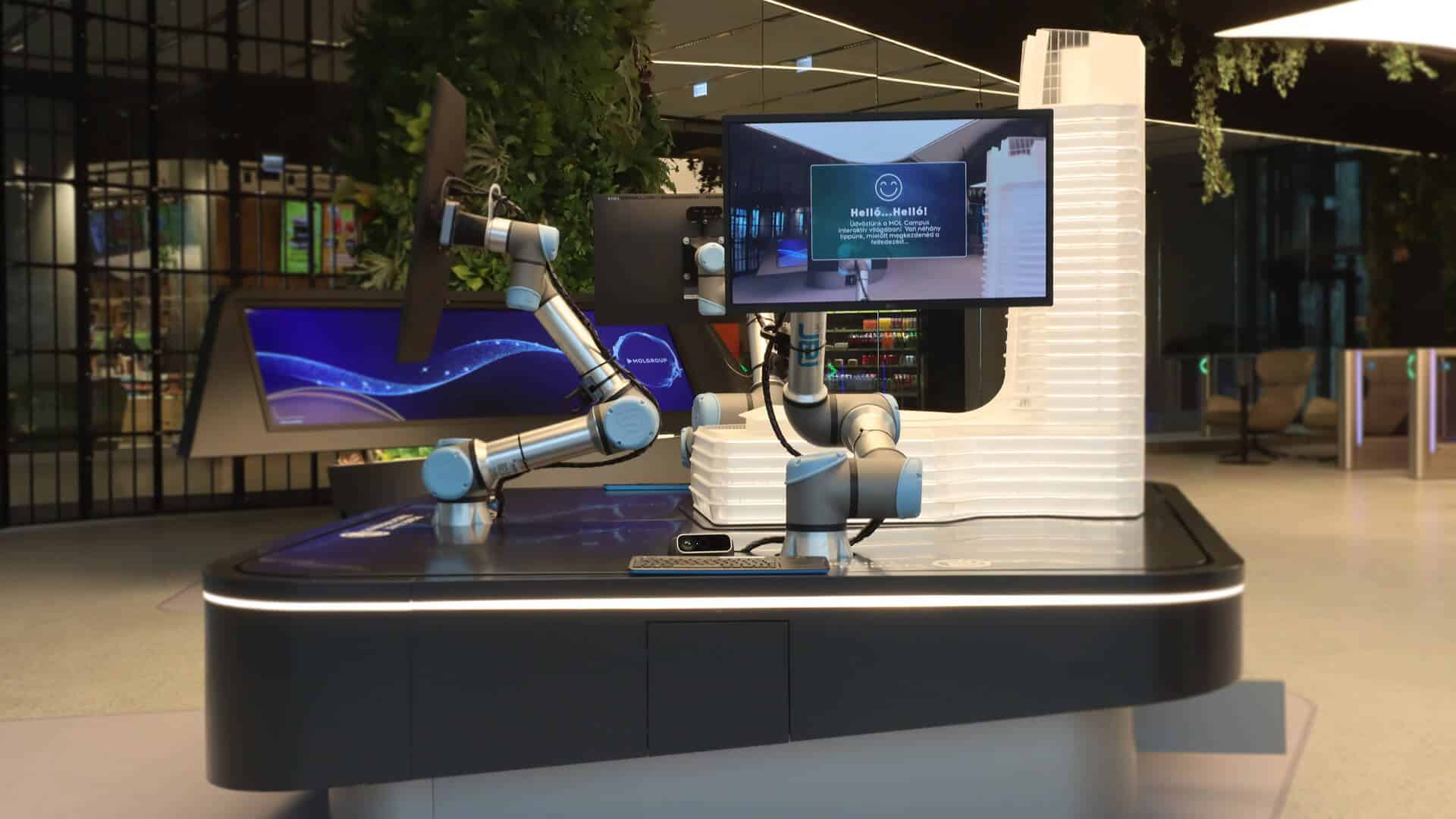
The robotics demo brought MOL's industrial innovation work into the room physically. We integrated live robotic hardware with a visitor-facing interface that let guests direct and observe the system, turning a passive exhibit into a two-way conversation. The AR experience layered MOL's environmental data and future-state projections onto the physical space around the visitor, anchoring abstract targets to the building they were standing in.Both required close coordination between hardware, software, and the physical architecture of the space. Lead times were tight and the installation environment was fixed, so we built flexibility into the software stack to accommodate last-minute spatial changes without rebuilding from scratch. That kind of pipeline discipline is what keeps a multi-format installation on schedule.
Data visualisation at scale
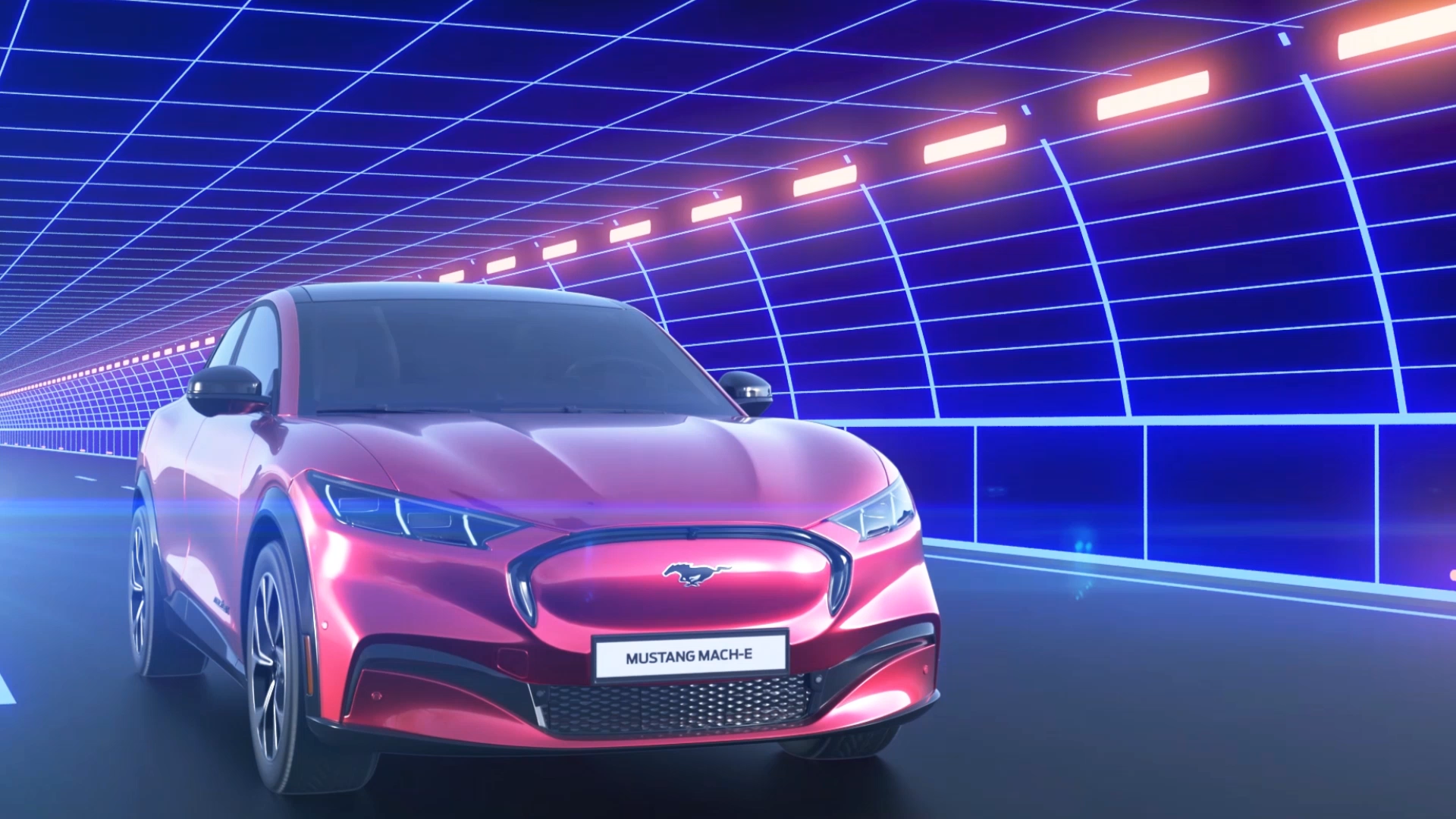
The third experience translated MOL Group's sustainability metrics into a navigable visual system. Rather than a dashboard, we designed something closer to an explorable map: visitors could move through the data spatially, surfacing relationships between energy, emissions, and investment that a chart cannot show.For a corporate visitor centre, the data visualisation carries the heaviest communicative load. It is the piece stakeholders return to and the piece that appears in briefing photography. We tested readability and accuracy in parallel, with sign-off loops built into the delivery schedule. The result is an installation that works as communication, not just as spectacle.