Helsinki Fashion Week

// services
Interactive Installation
Motion Design
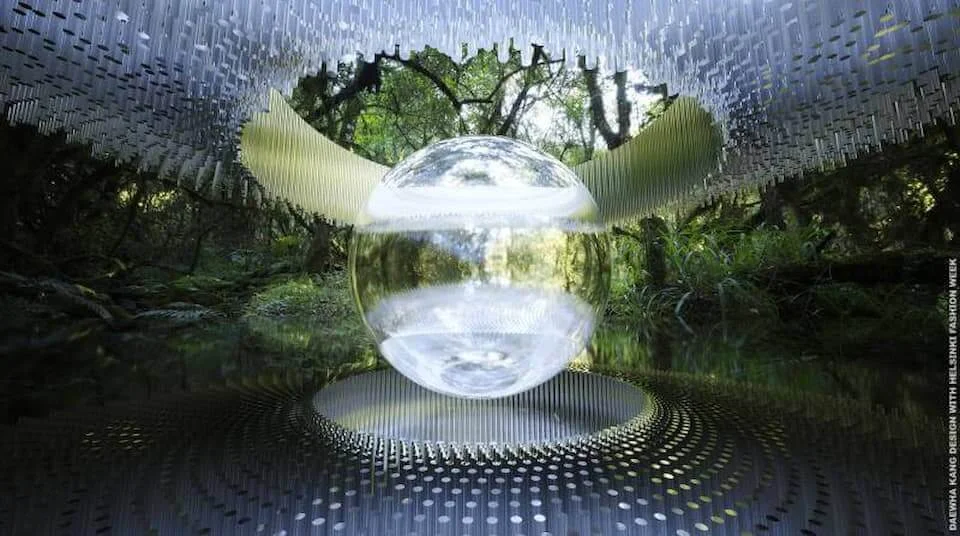
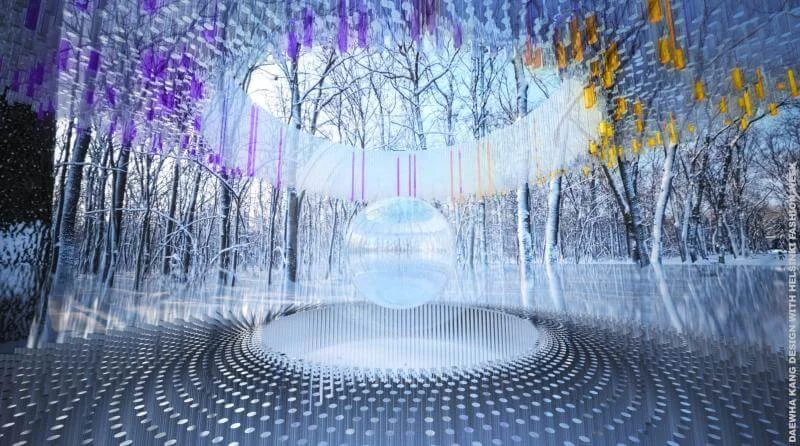
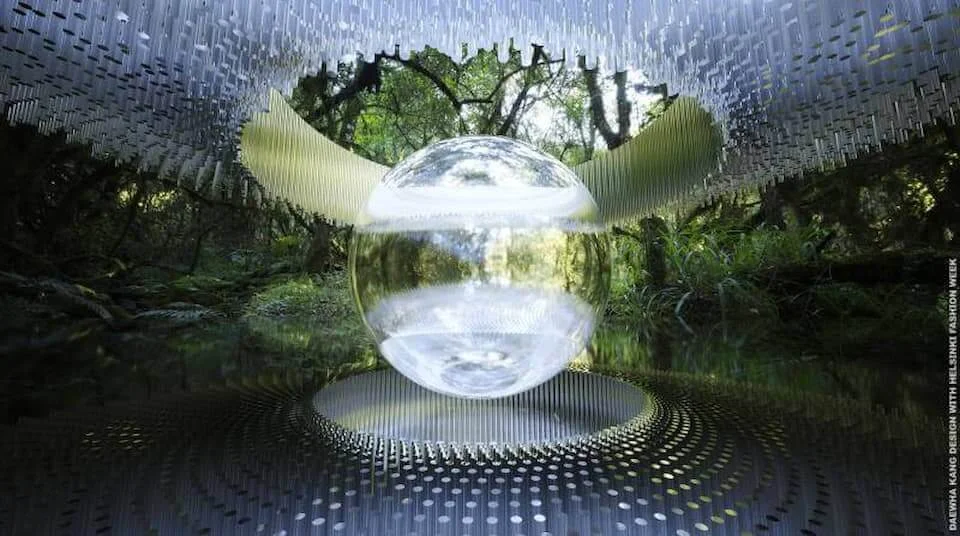
Digital infrastructure Solarflare built for the world's first fully virtual, sustainable cyber Fashion Week, connecting artists and brands globally in real time.
Building the infrastructure for a first
Helsinki Fashion Week brought us in to help bring the world's first fully virtual, sustainable cyber Fashion Week to life.This was genuinely new territory. There was no established playbook for a fully virtual fashion week that maintained the editorial weight and collaborative depth of the physical event. The brief required us to build digital infrastructure that could connect artists, brands, and collaborators from multiple countries while preserving the creative dynamics that make Fashion Week work: the shows, the conversations, the sense of a shared cultural moment happening in real time.
Connecting collaborators across borders
The sustainability dimension of the brief was not a marketing layer. Helsinki Fashion Week had made a genuine commitment to eliminating the carbon footprint of international travel and physical production. That commitment shaped every technical decision we made. The infrastructure needed to be robust enough for a live broadcast event while flexible enough to accommodate the unpredictability of live creative collaboration across time zones.We built connection points that let artists and brands contribute to the programme from their own locations without the experience feeling fragmented or remote. The goal was to make geographical distance irrelevant to creative participation.
A format that travels
The first fully virtual fashion week is only meaningful if it actually works as a fashion week, not as a compromise version of one. Our job was to build something that the fashion industry would take seriously, a format that could carry the cultural weight of the Helsinki Fashion Week name while demonstrating that sustainability and ambition are not in tension.The event reached audiences globally who would never have had access to a physical Helsinki event, expanding the brand's reach without expanding its footprint. It established a replicable model that the fashion industry could learn from and that Helsinki Fashion Week could build on in subsequent years.