Festivals have always been a canvas for cultural expression, a place where art, music and performance blend into something people travel hours to feel in person. What's shifted is the canvas itself. Immersive tech and ambitious engineering have moved from the edges of the site map to the centre of the brief, and the line between the show on stage and the show around it keeps getting thinner.
What's actually working on festival ground
Why the format is shifting
The honest answer is that audience expectations have moved. Today's attendees want more than passive entertainment. They want to interact, to feel addressed by the work, to leave with a story that happened to them rather than around them. Immersive experiences answer that directly. The festival becomes a space that reacts and evolves with the people inside it instead of broadcasting at them.
One caveat we keep returning to: people are there for the music. Brands shoehorning experiences into an already hectic site rarely land. The brief that works asks what value you're adding to the attendee's day, not what awareness you're trying to extract from it.
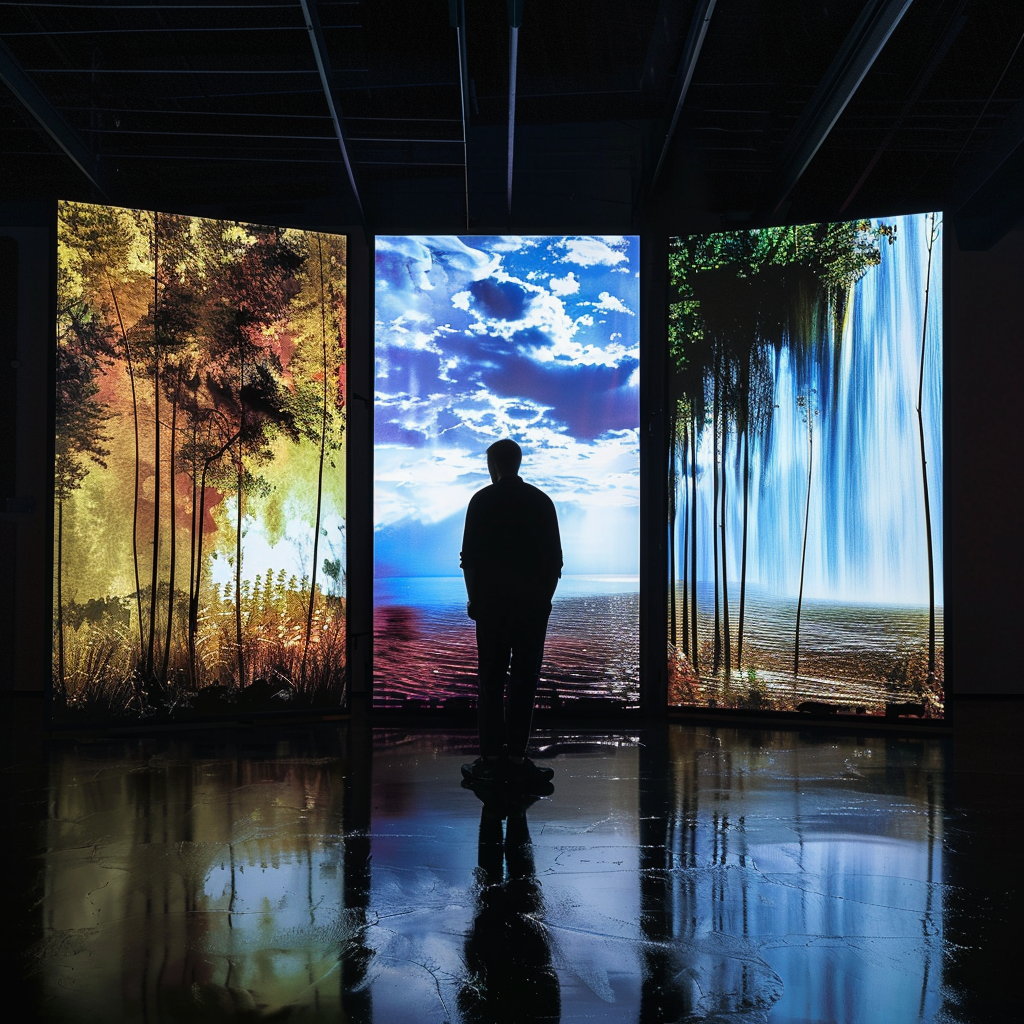
Immersive art installations
The reference points are familiar. Coachella, Burning Man and Boomtown have spent years pushing what an installation on festival ground can be. AR and VR are now standard tools in that toolkit, layering interaction and interpretation onto pieces that used to sit static.
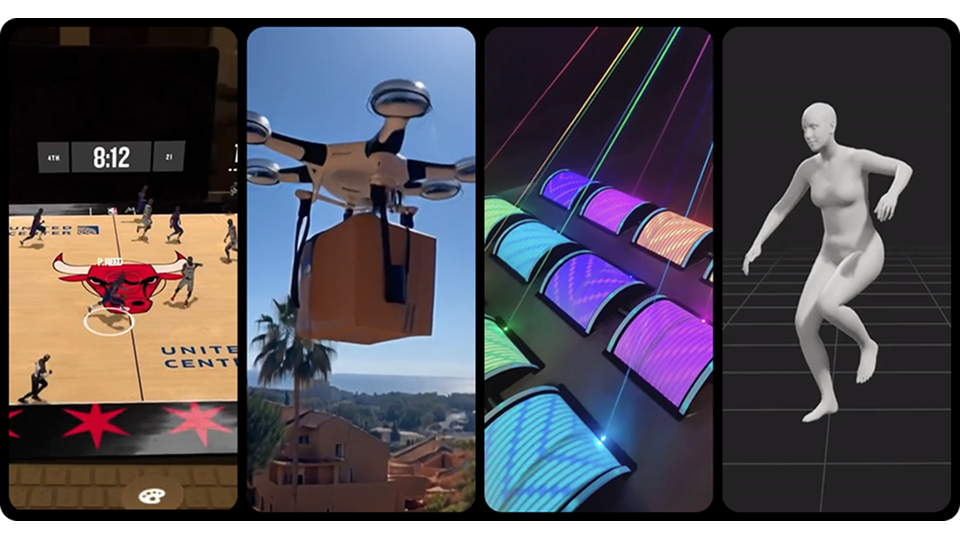
Coachella's 2023 site was a useful case study. The Mirage Flower Scavenger Hunt, the Molecular Cloud, Eden, and Kumkum Fernando's Messengers all paired physical sculpture with AR filters that let attendees carry the work into their own feeds and spaces. For audiences watching from home, Gorillaz went the other way and added virtual avatars to the live broadcast. Two ends of the same trick: extend the show beyond the field it's playing on.
Engineering as part of the show
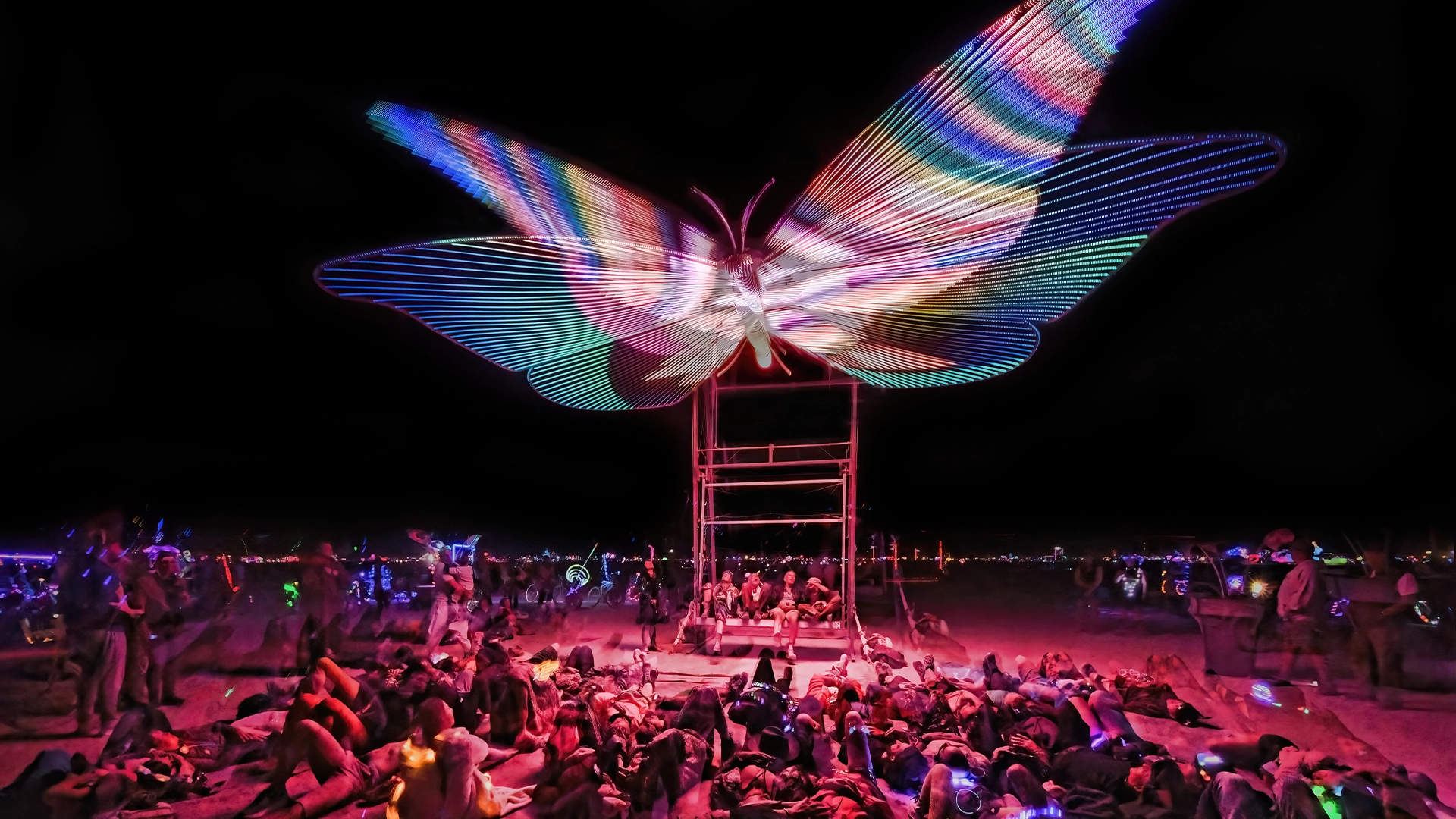
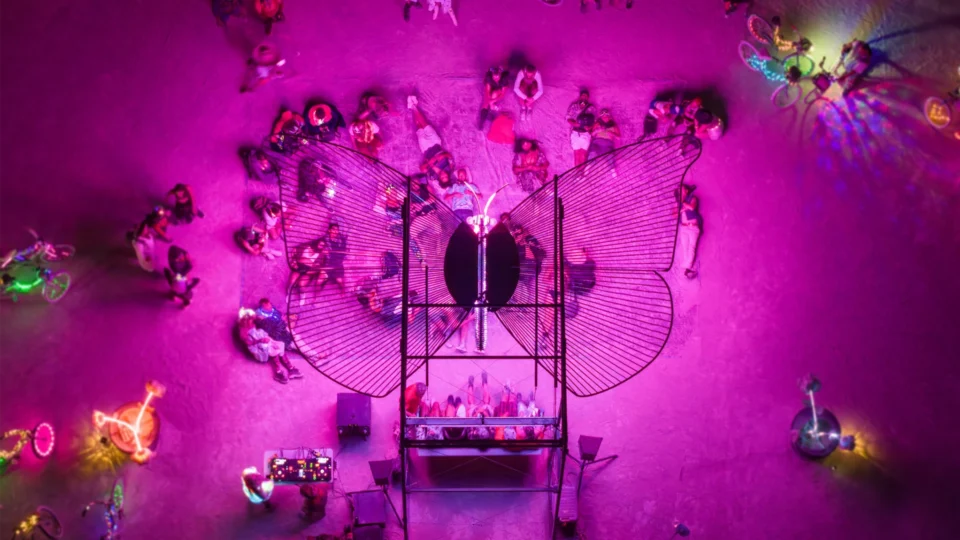
Kinetic and responsive engineering is doing as much work as the digital layer. Sculptures that sway with the wind, stages that shift colour with crowd energy, structures that read environmental data and feed it back as motion. Christopher Schardt's Mariposa at Burning Man 2023 is the version we keep pointing to: a 26-foot LED butterfly with 39,000 lights, wings driven by visitors swinging on a porch swing, patterns choreographed to music. People lay underneath it for hours.
Sensory environments and brand activations
Sound baths, light shows, tactile pop-ups. Spatial audio and 3D projection mapping have become standard ways to give attendees somewhere to step out of the chaos and into something built for them. Done well, these spaces are a kind of pacing tool for the festival as much as a marketing surface.
Coachella's 2024 sponsor Method showed the playbook. Their Inner Shower Lounge paired product samples and beauty stations with the Inner Shower Portal, a multi-sensory walk through the brand's scent worlds, and an AI aura camera that sent guests away with a colourful keepsake print. The brand had a clear job to do, and the activation gave attendees something they actually wanted from their afternoon.
Personalised journeys
Wearable tech and AI open a quieter angle: festivals that adapt to the individual. A path through the site that responds to your mood, lighting that shifts with where you've already been, soundscapes nudged by what you've engaged with. Less spectacle, more narrative tailoring. The technology is mostly there. The interesting question is which festivals trust their audience enough to use it well.
How these experiences get built
Behind every one of these is the same pattern: artists, technologists and engineers working from a shared brief. The process starts with the festival's theme and the audience's expectations, runs through experimentation and prototyping, and only then meets the build. AR and VR pipelines, responsive materials, sensor networks and live-data plumbing all sit underneath. The visible piece is the choreography. The invisible piece is the months of testing that lets the choreography survive contact with 80,000 people in a field.
What it does to festival culture
The cultural shift is the part worth paying attention to. Immersive work invites attendees to participate in the narrative rather than watch it, and that changes how people remember the event. It also gives festivals a stronger surface for the things they want to say about sustainability, community and place, when the brief is built around a point of view instead of a logo.
The future of festivals isn't a louder version of the present. It's one where feeling, participating and connecting carry as much weight as sight and sound, and where the technology stays in service of that. Get in touch if you're shaping a festival activation and want to talk about what's worth building.