Every January the trade press lines up the same six or seven technologies and calls them the future of brand experience. Most of the time the list is right, but the order is wrong and the reasons are vague. These are the bets we'd actually place going into 2025, with the briefs we'd take them into.
Six technologies, and where we'd put them to work
VR, finally past the gaming hangover
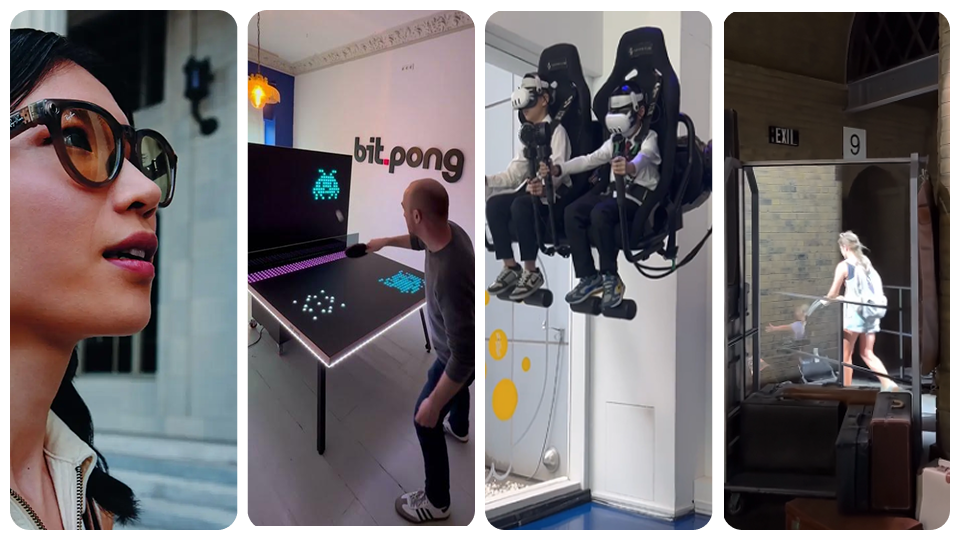
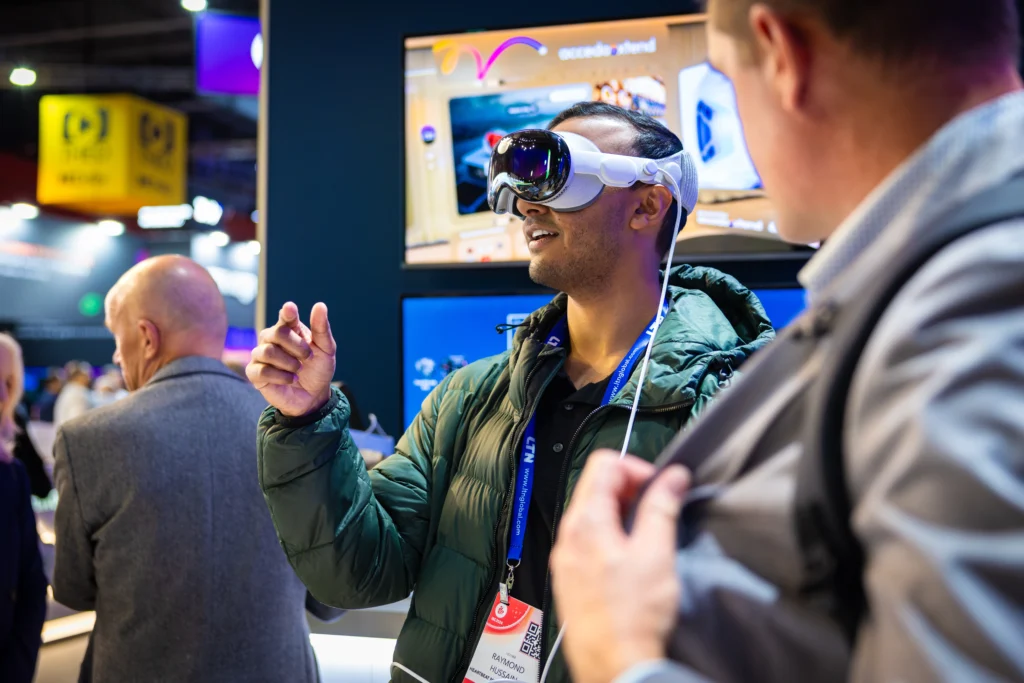
Headsets have spent a decade trying to outrun their own origin story. Apple's Vision Pro is the first device that lets a non-gamer pick it up without the muscle memory of a controller, and that matters more than the spec sheet. Eye and hand tracking turns the headset into a tool you reach into, not a toy you operate. Statista has global VR shipments around 13 million units in 2025, which is the rough threshold where retail, automotive and sports stop treating VR as a stunt and start writing it into roadmaps.
The briefs we keep seeing it earn: virtual storefronts that let people walk a product before they buy it, training simulations for environments that are expensive or unsafe to recreate, and remote attendance for live events whose room is already full. Treat VR as a spatial channel rather than a content format and the use cases stop feeling speculative.
AI personalisation, beyond the chatbot
The interesting AI work in 2025 isn't conversational, it's compositional. Real-time video rendering, on-the-fly content generation for different audience segments, digital ambassadors that hold a coherent character across a thousand interactions. Epsilon's research still puts 80% of consumers more likely to buy from a brand that personalises, but the bar for what counts as personalisation has moved from "uses your first name" to "responds to who you are right now."
For a brand activation that means three different things stacked on top of each other: an interaction layer that adapts copy and visuals per visitor, a content engine that generates the assets to populate that layer, and a character or guide that gives the whole thing a face. The technology to do all three exists today. The hard part is writing a brief that holds up under that much variability.
Biometrics, when the experience reads the room
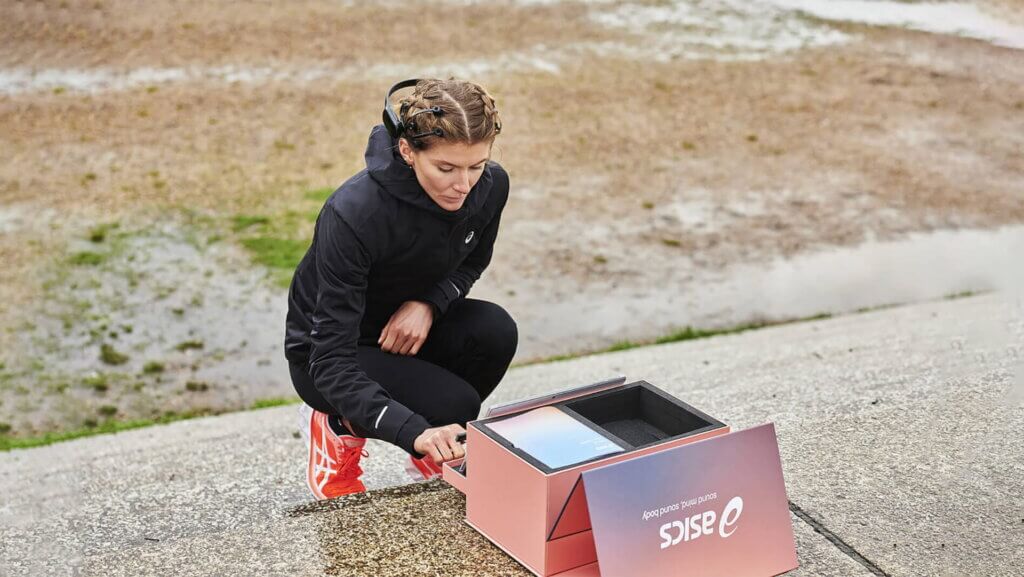
Biometric inputs (facial expression, gaze, heart rate, galvanic skin response) let an installation respond to how an audience is actually feeling, not how the brief assumed they would. We've used it on ASICS Mind Mover work where the experience tunes itself to the participant's state in real time, and the difference between a piece that watches you and a piece that just plays at you is enormous.
The honest caveat is that biometrics still works best as one input in a larger composition. A lighting cue that softens when engagement drops, a soundscape that intensifies when a group's collective attention spikes, a narrative that branches on emotional response. Lean on it for adaptive ambience and emotion-led storytelling, not as the sole mechanic.
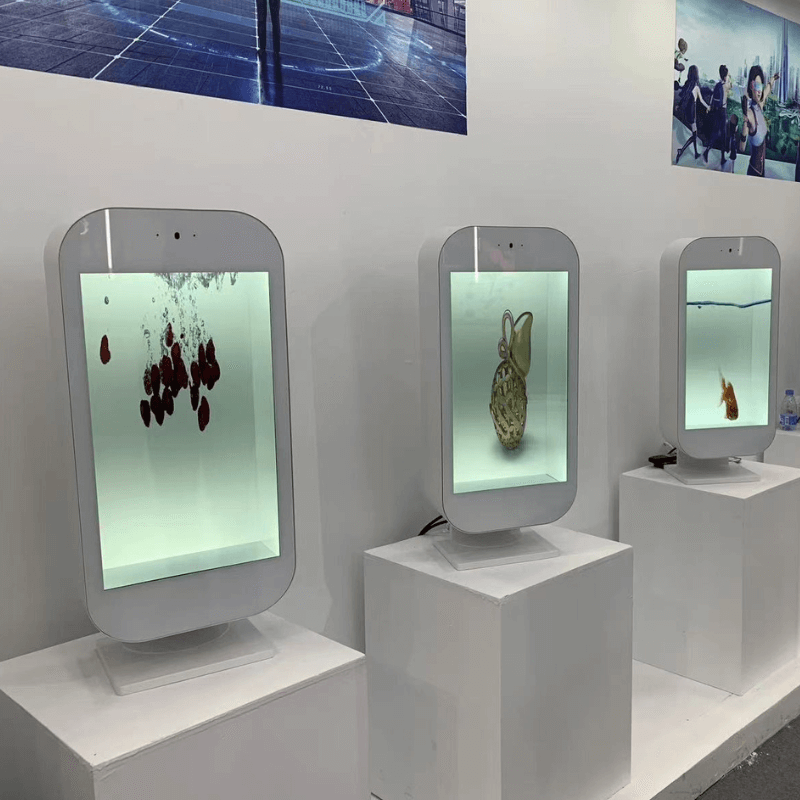
Interactive LED, the surface that earns its space
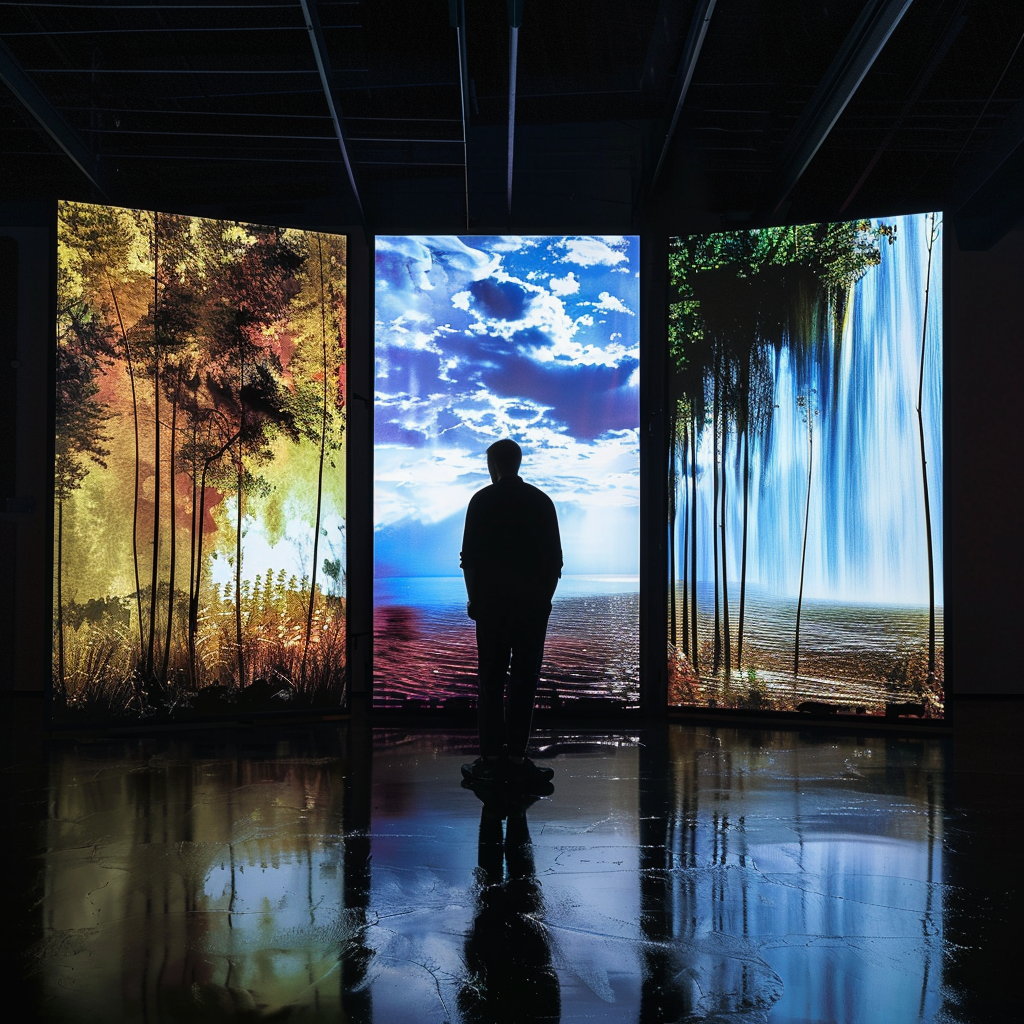
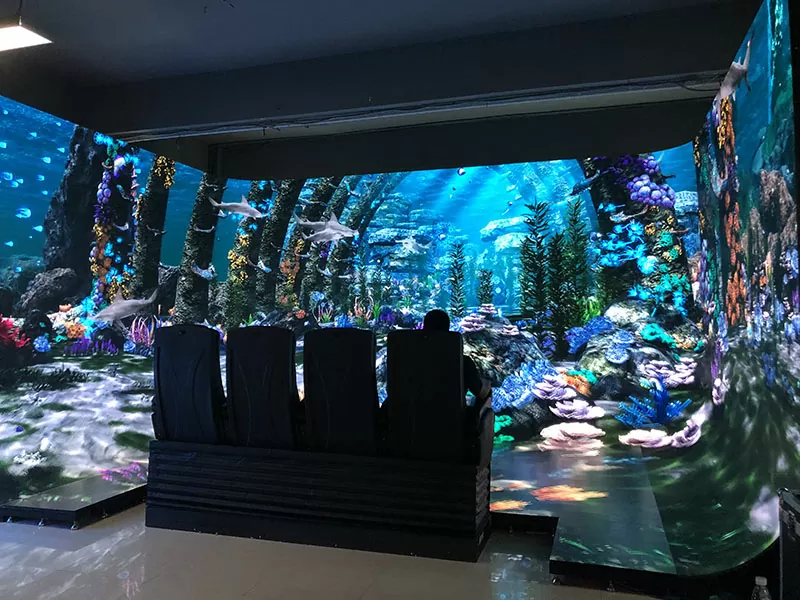
LED used to be a billboard. In 2025 it's a building material. Flexible panels, transparent panels, panels dense enough to read as a single canvas at close range. Digital Signage Today has interactive signage pulling dwell times up by 60% over static displays, but the real shift is architectural. A wall that responds to footfall, a ceiling that maps to the music, a column that flickers in time with social mentions of the brand outside the room.
The use cases that hold up: dynamic billboards tied to live data, retail interiors that can theme themselves per campaign without a refit, and interactive product walls that turn a passive display into something a customer touches. Spec the LED to the architecture, not the other way round.
AR, MR and wearables get honest about form factor
The headset market opened up this year. Microsoft's HoloLens 2, Meta's Ray-Ban smart glasses, Nreal, Vuzix and the wider field of lightweight glasses each take a different bet on what people will wear in public. IDC has the AR glasses market on a steep growth curve as the form factor slims down, and the briefs follow the form factor: the heavier the device, the more enterprise the use case.
For consumer activations the obvious wins are virtual try-ons, AR overlays on physical product, and wearables that deliver a personalised layer of content as someone moves through a venue. We've built portal-based AR work that scans a physical location and lets users walk inside it from anywhere, and that pattern keeps getting cheaper. By the end of 2025, "build a portal of this place" stops being a custom commission and starts being a line item.
Hybrid, when the venue is everywhere
The pandemic reflex of bolting a livestream onto an event is over. Hybrid in 2025 means designing one experience that works across two layers: the room and the network. Event Marketer puts hybrid engagement at up to three times higher than physical-only events, but only when the digital layer is built into the brief, not retrofitted.
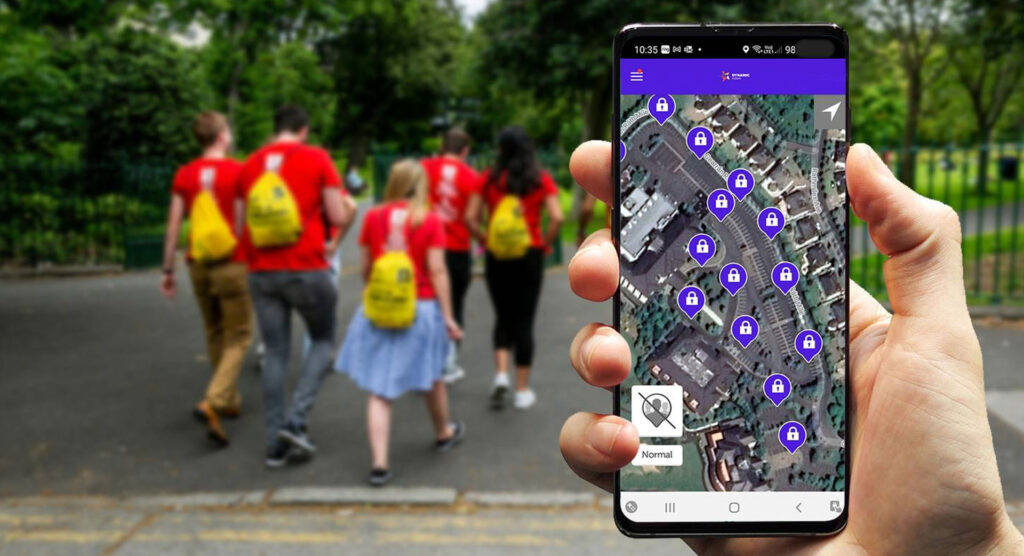
The pattern we keep coming back to: a physical activation as the gravity well, a companion app or web experience that extends it, and a tail of content that keeps audiences in the conversation for weeks afterward. QR-triggered moments inside the venue, AI-driven Q&A for remote attendees, digital counterparts to the physical artefacts. Treat the room and the feed as one canvas and the budget stops fighting itself.
How we'd approach a 2025 brief
None of these technologies are interesting on their own. The work is in choosing the right one for what the brand is actually trying to do, and resisting the temptation to use all six because the deck looked impressive. We're tech-agnostic on purpose. Get in touch if any of this maps to something you're trying to build.