"Hologram" is one of those words that does a lot of unpaid work. Most of the things we build under that banner aren't true holography at all. They're a small family of display tricks, each with a different shape, a different room it likes to live in, and a different brief it suits. After enough projects we've got opinions about which one we'd reach for and when.
Five display families, and where we'd actually use each one
What follows is a working guide rather than a product round-up. The categories below cover the bulk of what gets called holographic in a brief: transparent screens, spinning LED fans, Pepper's Ghost, volumetric displays, and projection onto semi-transparent surfaces. Each section is what the tech is, where it earns its keep, and what we've learned about deploying it.
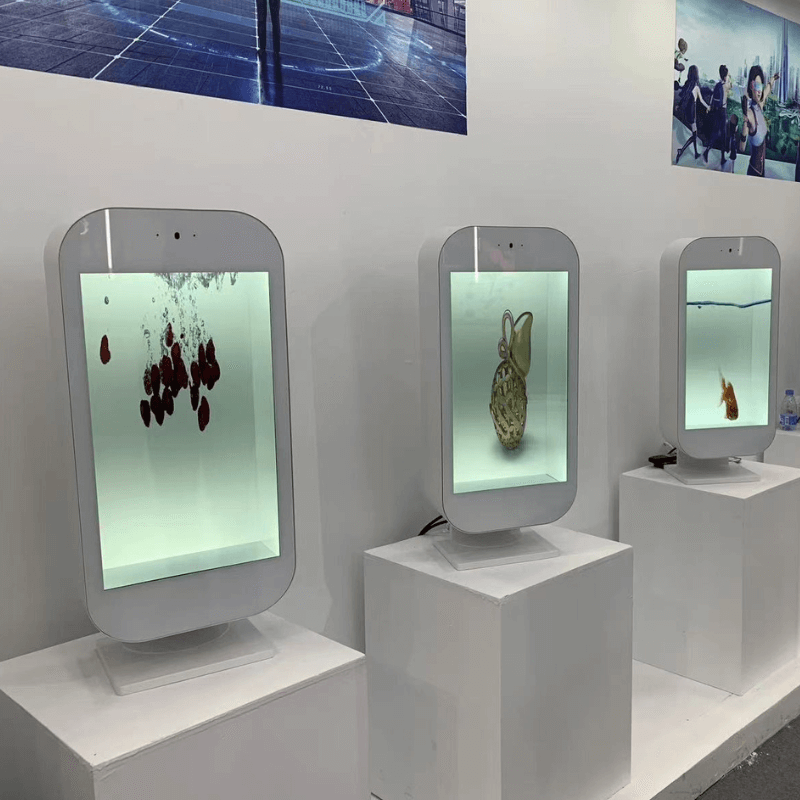
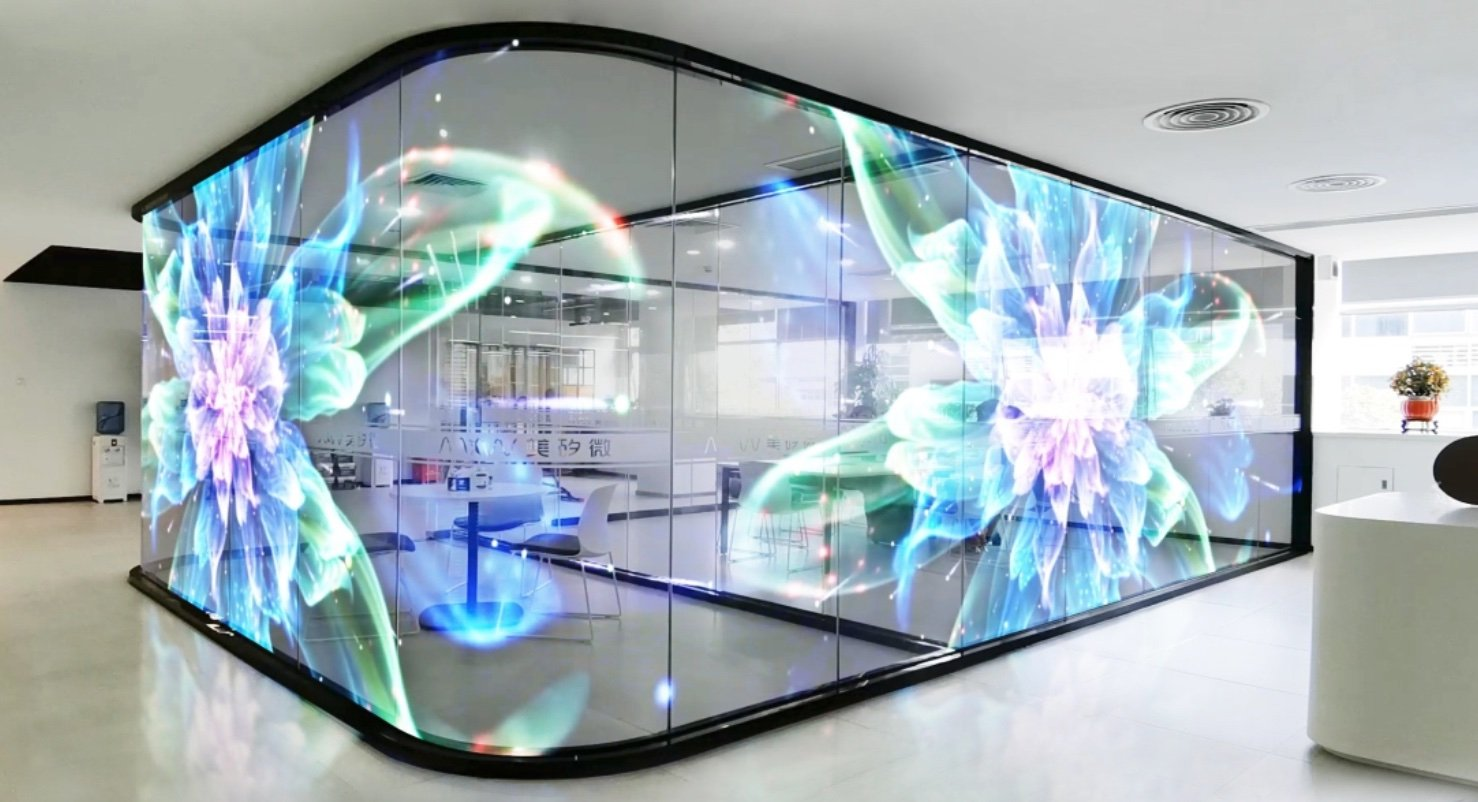
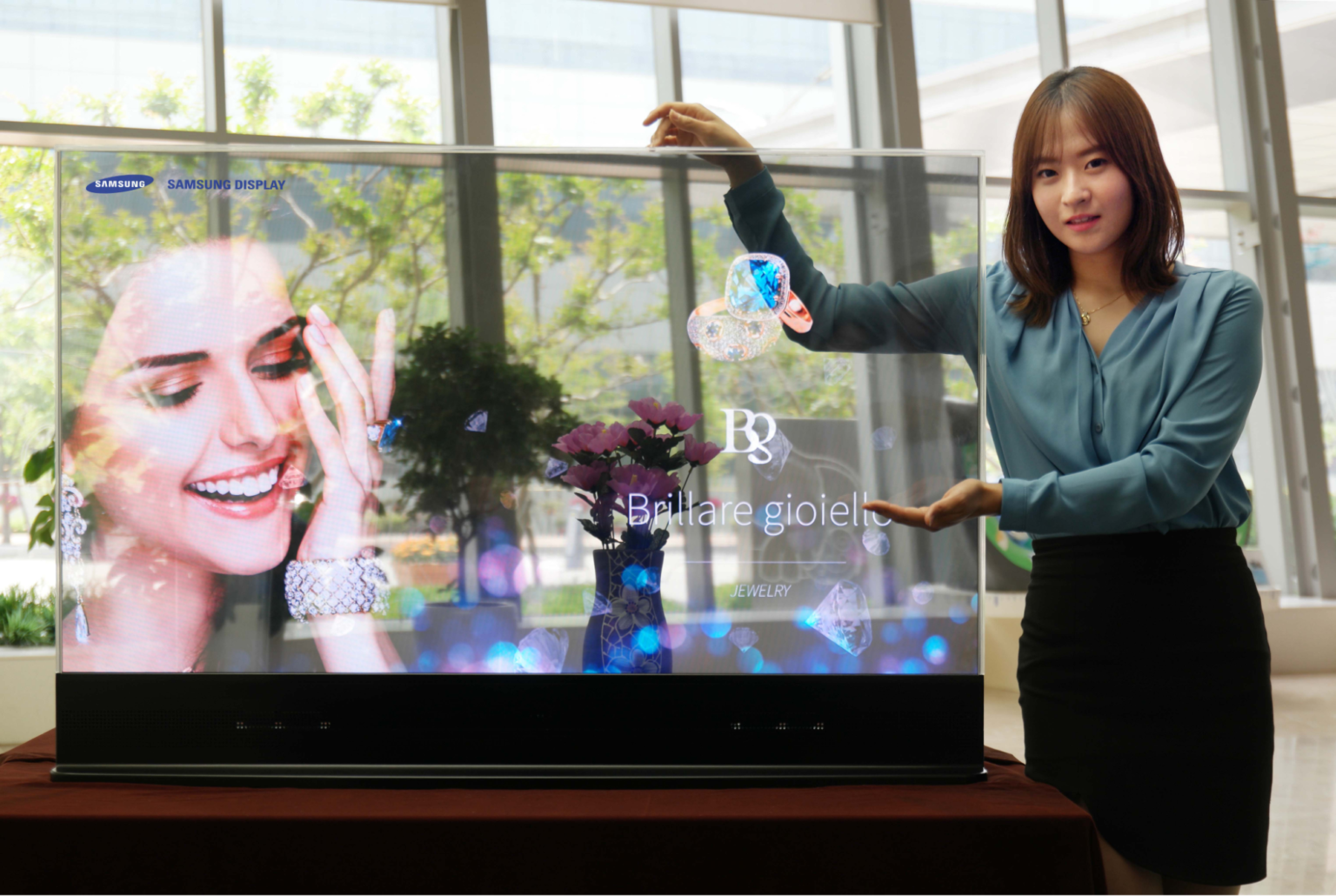
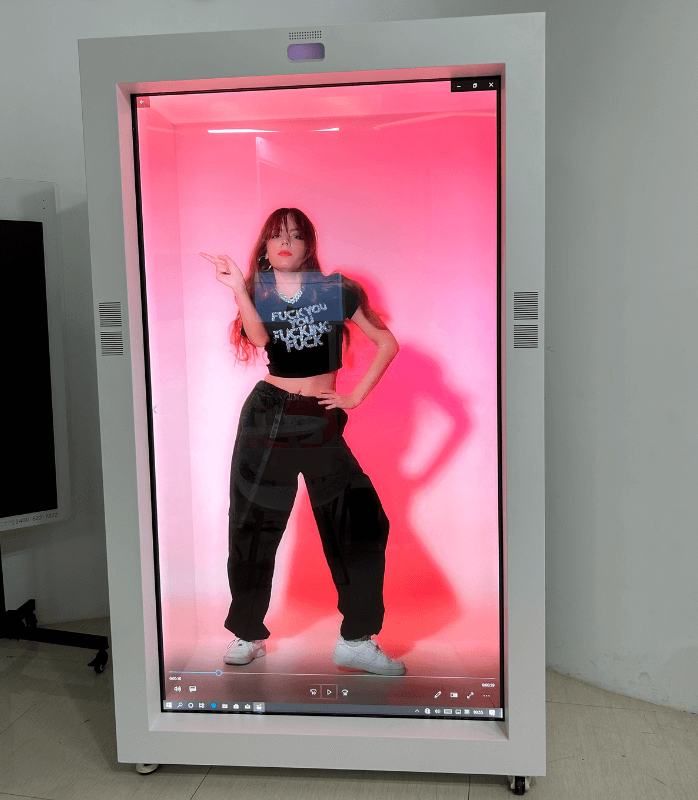
Transparent screen holograms
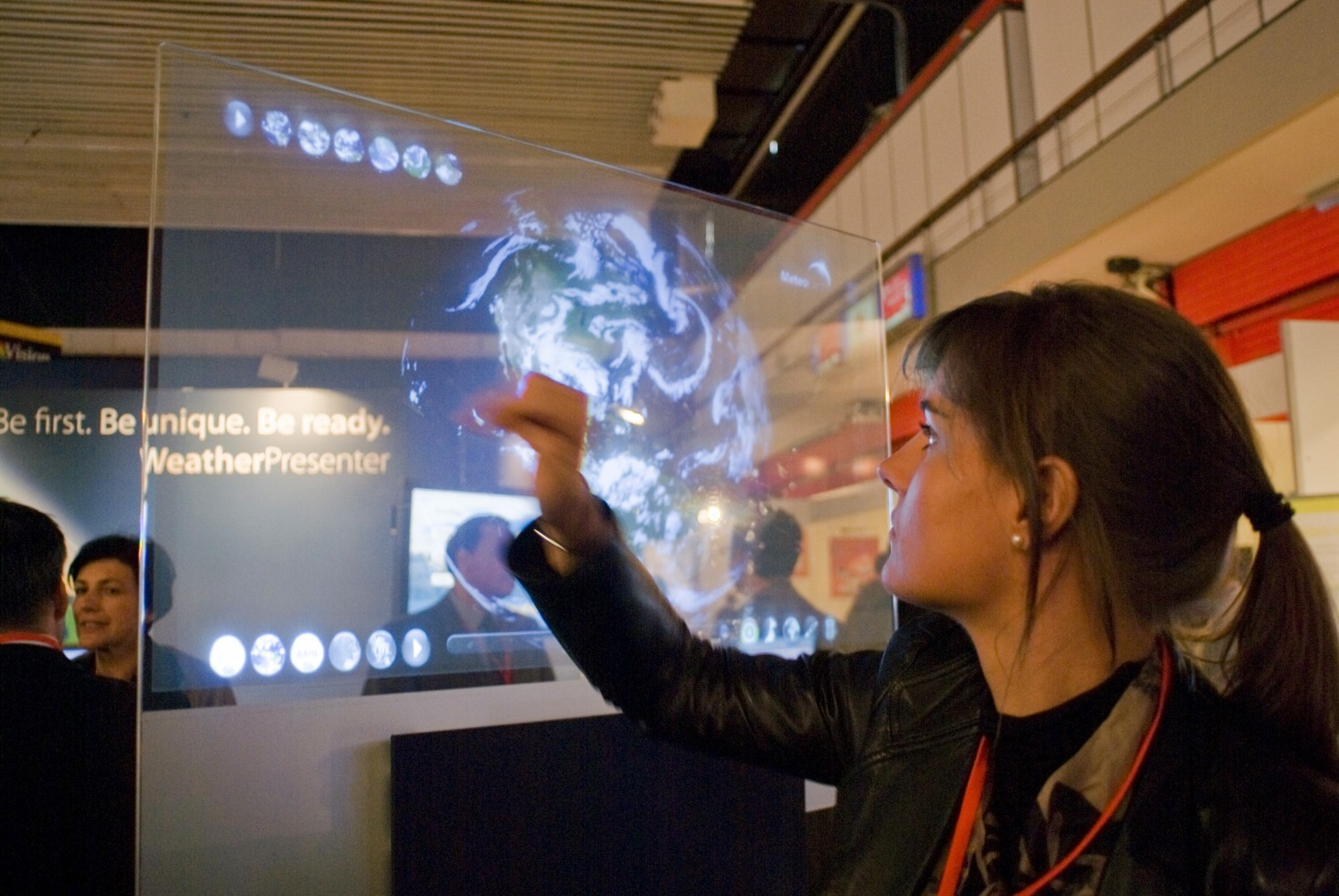
Transparent LCD or OLED panels show digital content while staying partially see-through. LCD versions need strong backlighting to overcome their limited transparency. OLED is the better bet in standard lighting and gives cleaner contrast. Either way, content has to be shot or rendered against pure black so the panel reads the black as transparent and the rest as floating image.
Useful for shopfront windows that animate product without blocking the view inside, exhibition product showcases where information hovers around a physical object, architectural and real-estate portals layered over scale models or development glazing, and museum cases where dynamic interpretation can sit over a fragile artefact without parking a screen next to it.
This is the most flexible format on the list. It scales from a screen embedded in a plinth to full-height shopfront glass, and it works hardest when there's something visually interesting sitting behind it. The catch is content discipline. Brightness and contrast have to be tuned to the panel's transparency, and the floating element reads best when it's composed against the real depth behind the glass rather than ignoring it.
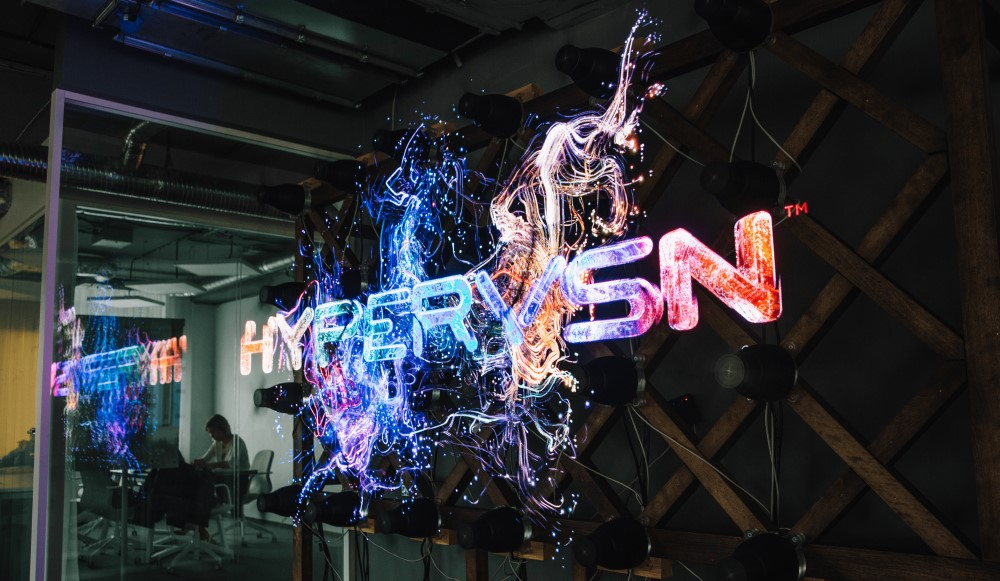
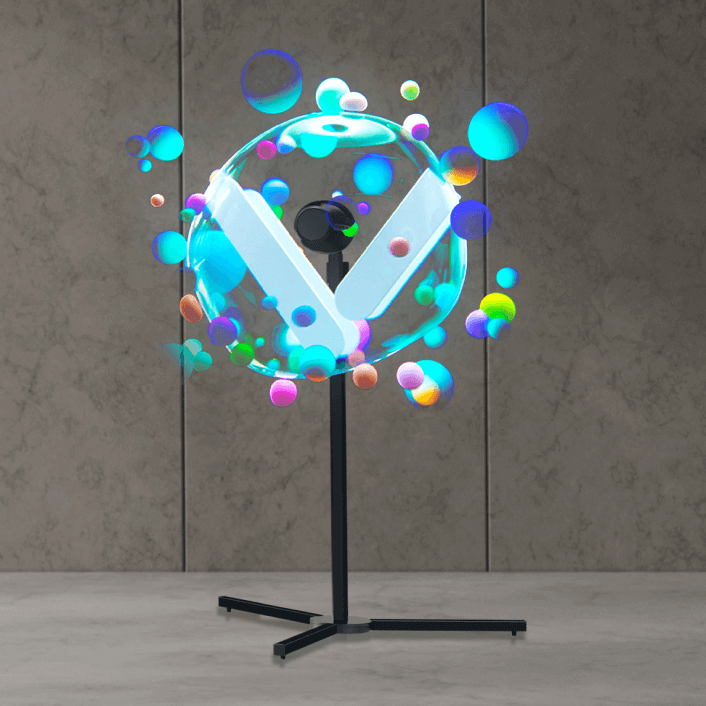
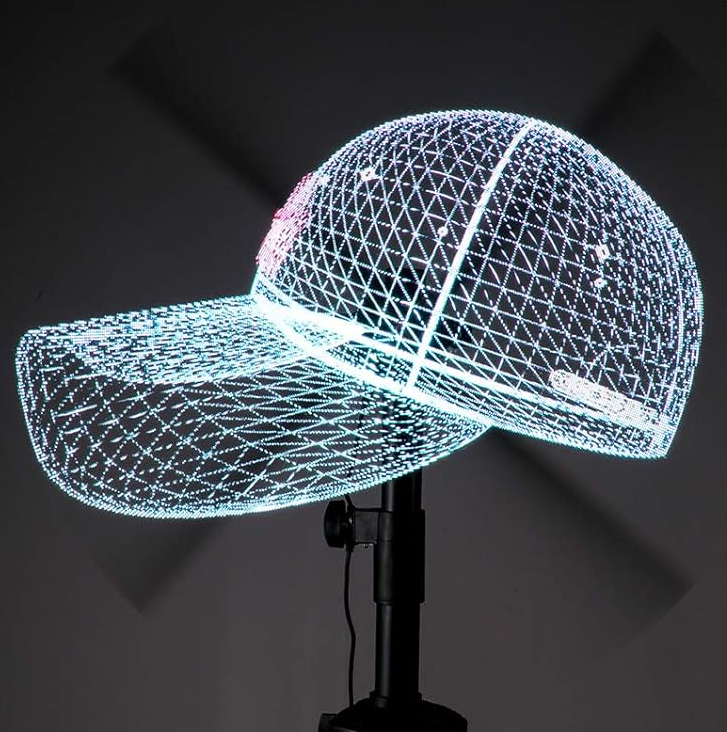
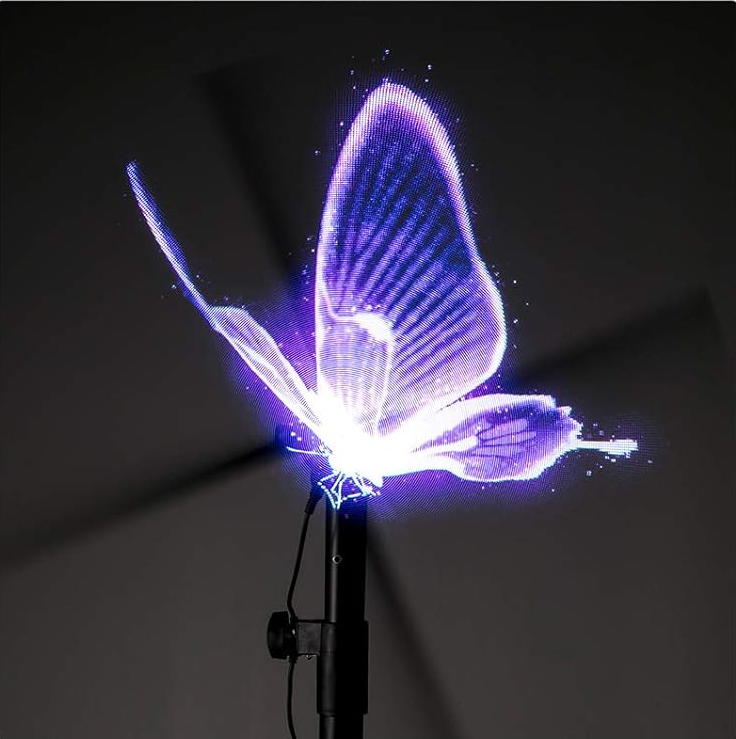
Transparent spinning holograms
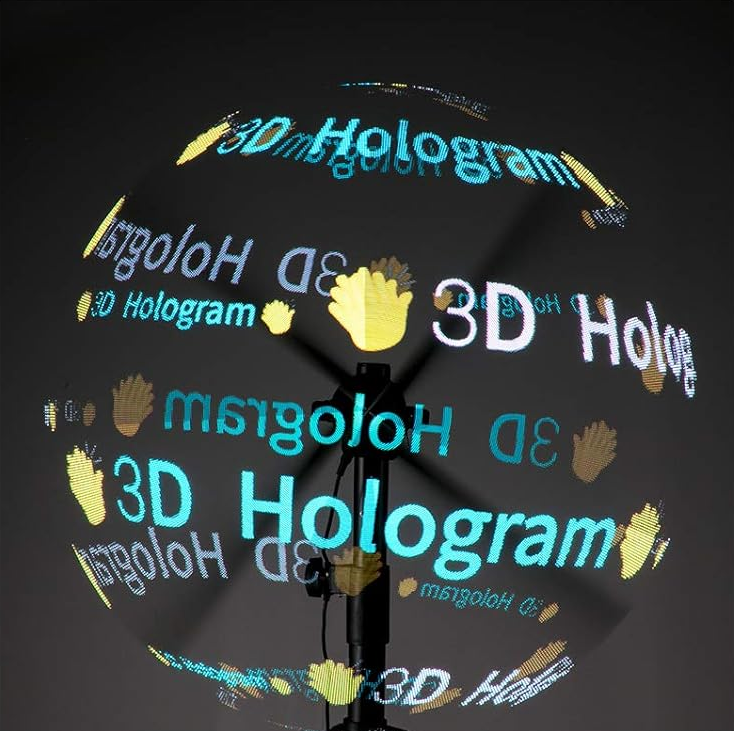
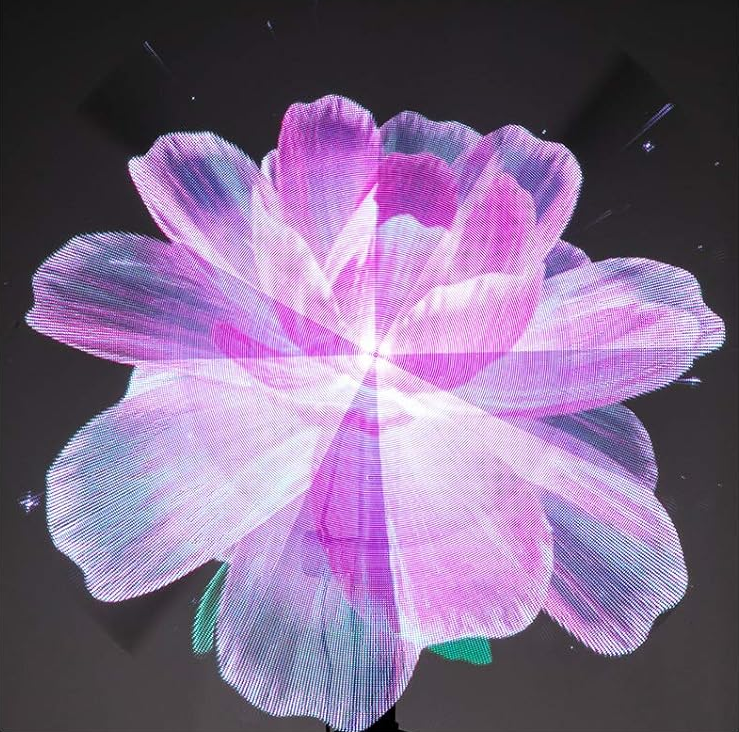
Often called holographic fans. Spinning LED arms move fast enough to disappear, and the persistence of vision leaves the eye with a floating image and no visible display surface. They run from around 50 cm up to 1.2 metres in diameter and tile into clusters to build holographic walls. Spherical and cylindrical variants exist for installations that need to be walked around.
Where they earn their keep: in-store point-of-sale in electronics and fashion retail, hanging installs in shopping centres and airports that want attention without taking floor space, brand activations and pop-ups that need instant spectacle, and trade-show stands trying to cut through a busy hall.
These are some of the most visually arresting effects we can deploy, especially in low light. The image really does look suspended, and there's no frame to break the illusion. The flip side is safety: spinning blades and crowds don't mix, so fans need a barrier, a hanging rig, or an enclosure between them and the audience. Content design matters too. Strong silhouettes, high contrast, and motion all read; subtle gradients and fine detail don't.
Pepper's Ghost holograms
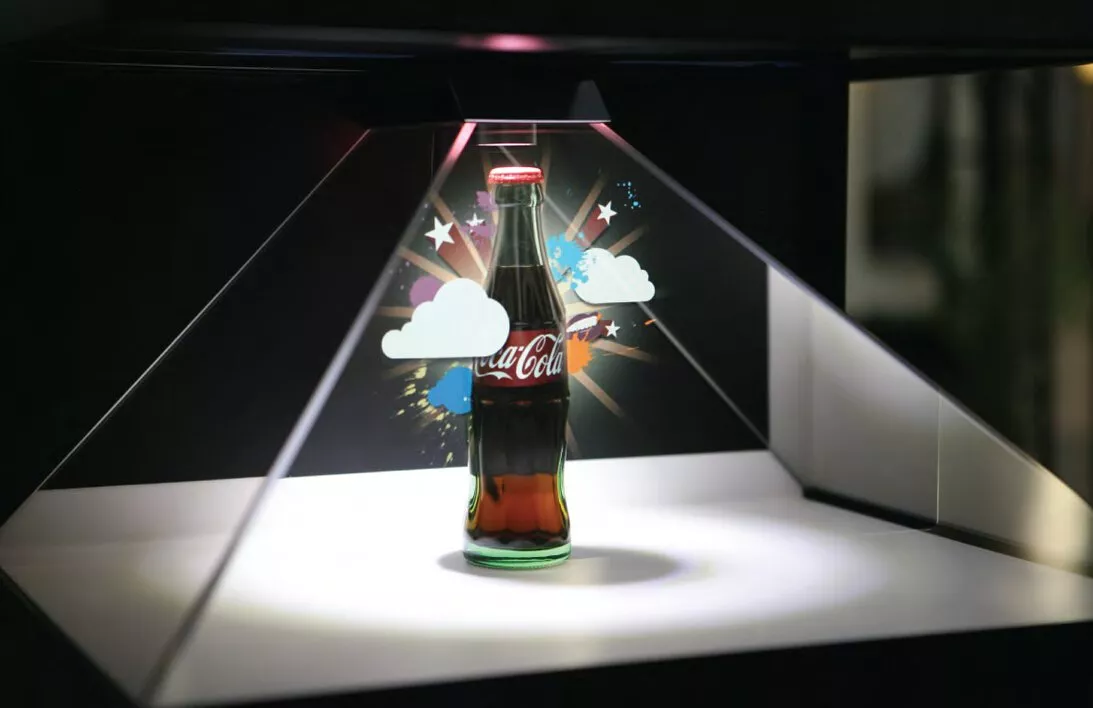
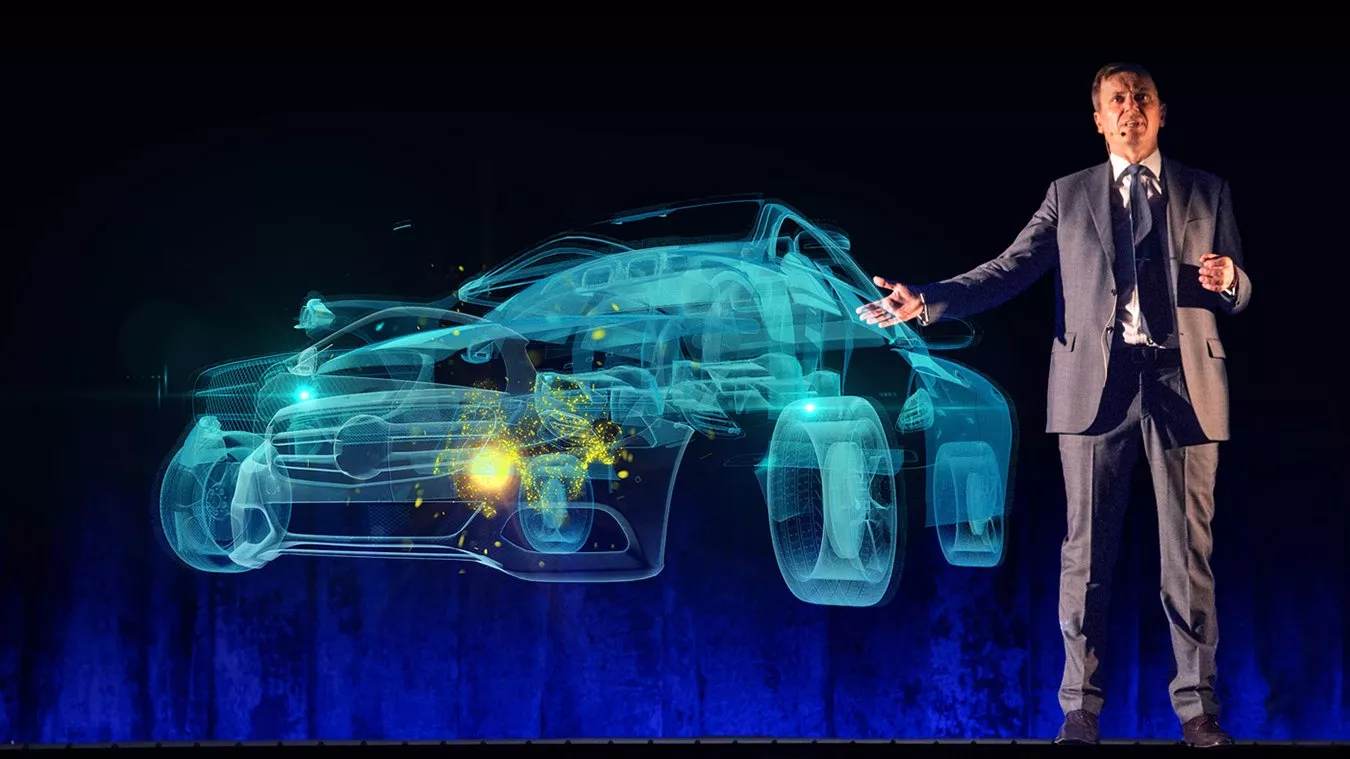
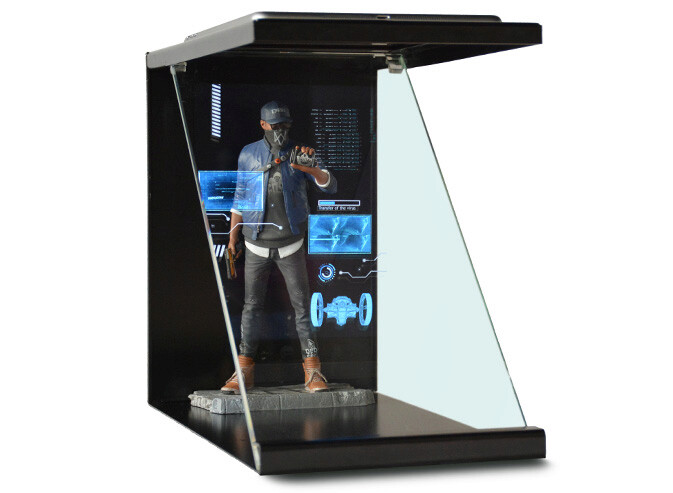
A 19th-century theatre trick that still does the heavy lifting on a lot of "hologram" stage moments. A reflective foil or glass panel is angled at 45 degrees, and a video source shot against black is bounced off it. The audience sees a ghostly, semi-transparent figure floating in the room. It scales from a plinth-top vitrine up to room-scale or life-sized rigs, and pyramid or wraparound builds give a 360-degree view.
Most familiar from concerts and live events such as Tupac at Coachella and ABBA Voyage. Beyond the stage it's at home in museums, where historical figures can deliver scripted monologues; in high-end retail windows where animated models or products appear behind the glass; and in heritage and storytelling exhibitions where an actor on foil reads better than a screen on a wall.
This is still one of the most atmospheric techniques available. The big advantage is that the projected image shares the same depth as the space behind the foil, so real people and physical objects can appear to share the room with the hologram. It demands more careful execution than most: viewing angles have to be locked down so the foil isn't visible, and ambient light has to be managed so the reflection doesn't wash out. Used in the right venue, the effect is hard to beat.
Volumetric display holograms
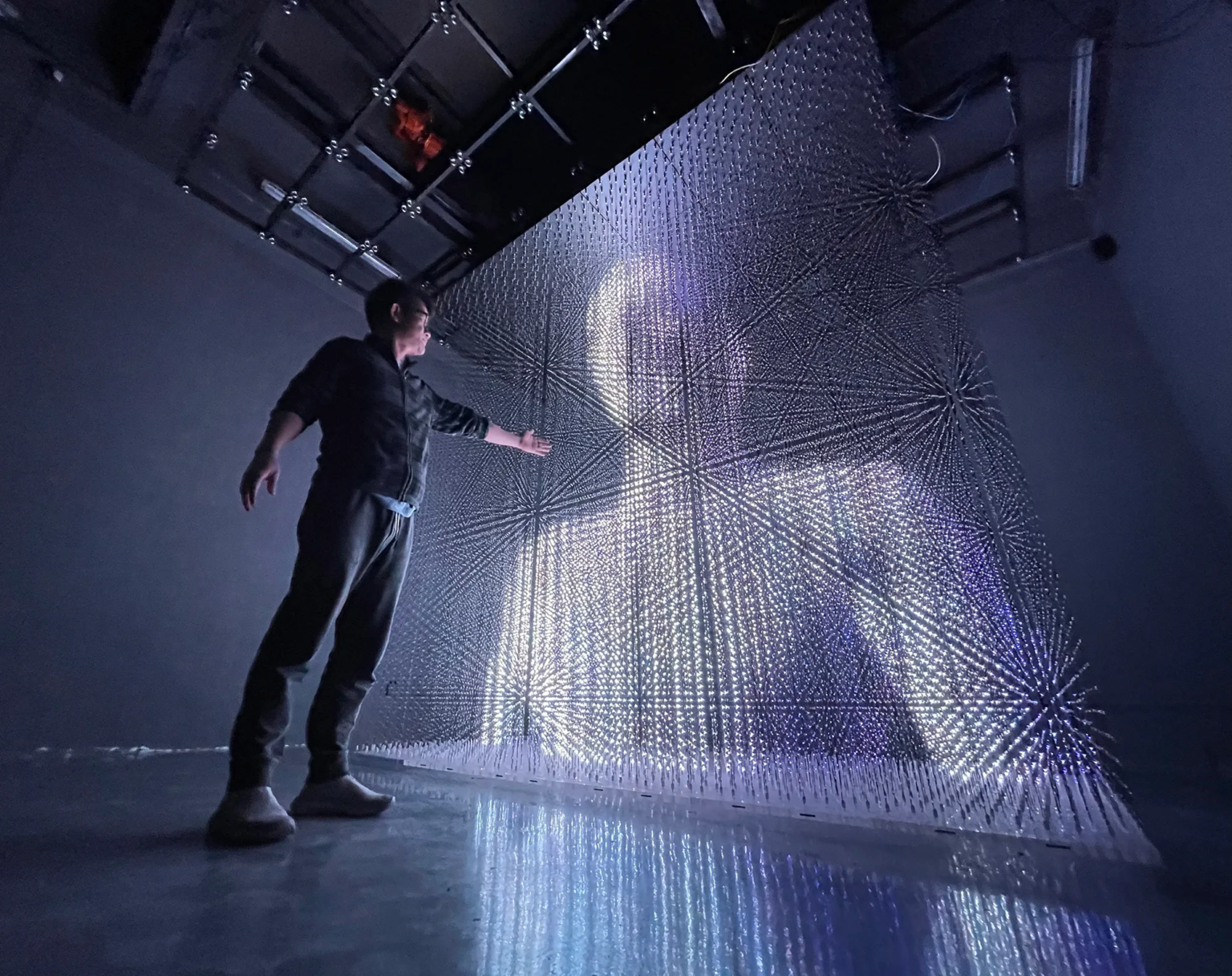
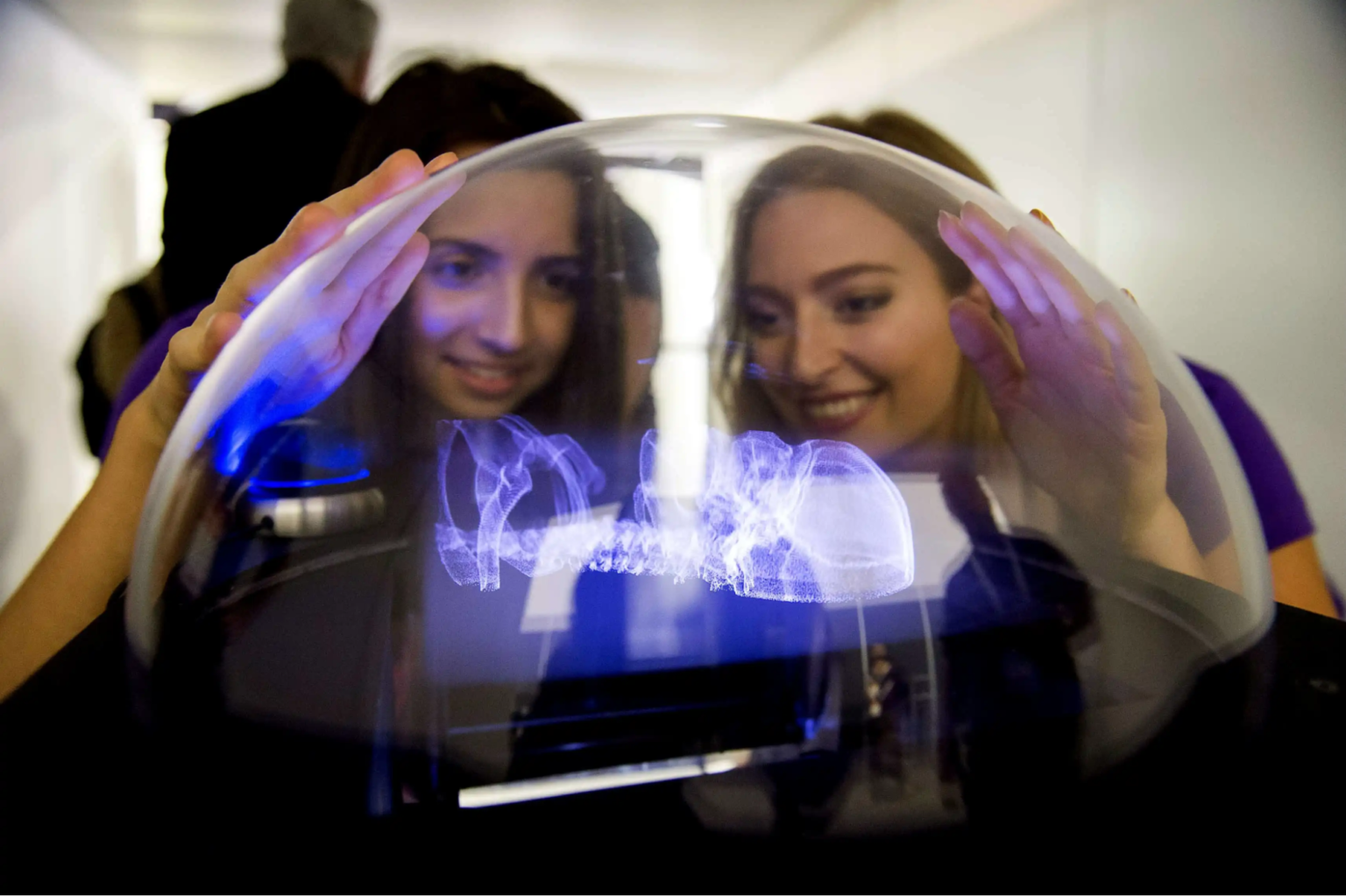
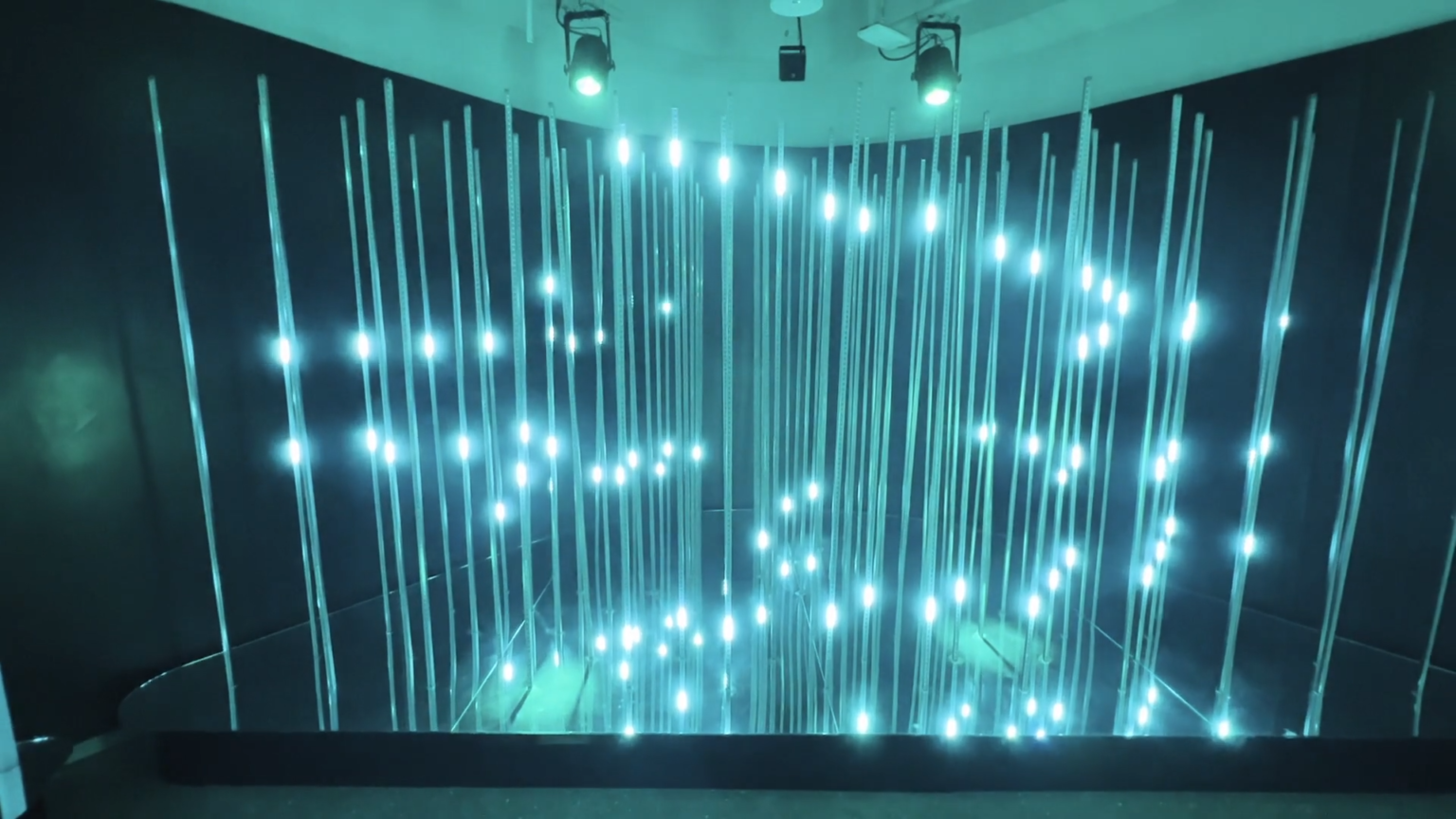
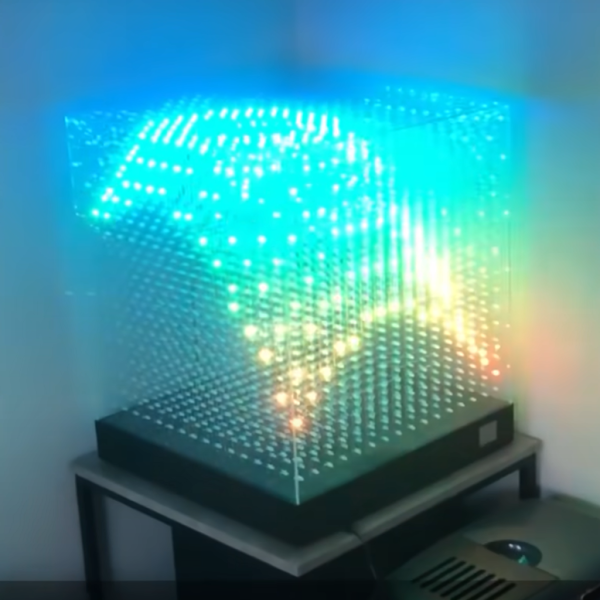
Volumetric displays build a true three-dimensional image you can walk around without a headset. They do it with voxels, points of light positioned in physical space. Some use spinning or sliding 2D screens to sweep a volume over time. Others use suspended LED grids that emit light from thousands of fine wires or filaments to fill a real volume of space.
The natural homes are medical training and research, where surgeons can examine organs or molecular structures from any angle; engineering and industrial design, where complex parts can be inspected in the round; immersive art installations that respond to the viewer's position; and educational settings, especially science and history experiences with an interactive layer.
This is the only category on the list that produces a genuinely stereoscopic image, where each eye sees a slightly different view the way it would in reality. The result reads more intuitively than any flat substitute for complex geometry. The trade-off is operational. These rigs can be technically demanding and usually need bespoke content pipelines. LED-volume builds are getting more accessible, but scanning-type displays remain expensive and delicate.
Volumetric works best in static or controlled viewing environments, where visitors approach the piece on the designer's terms. For a real-world build, our LED-volume work for Siemens at COP28 integrated real-time audio and environmental data into a volumetric centrepiece.
Holographic projection
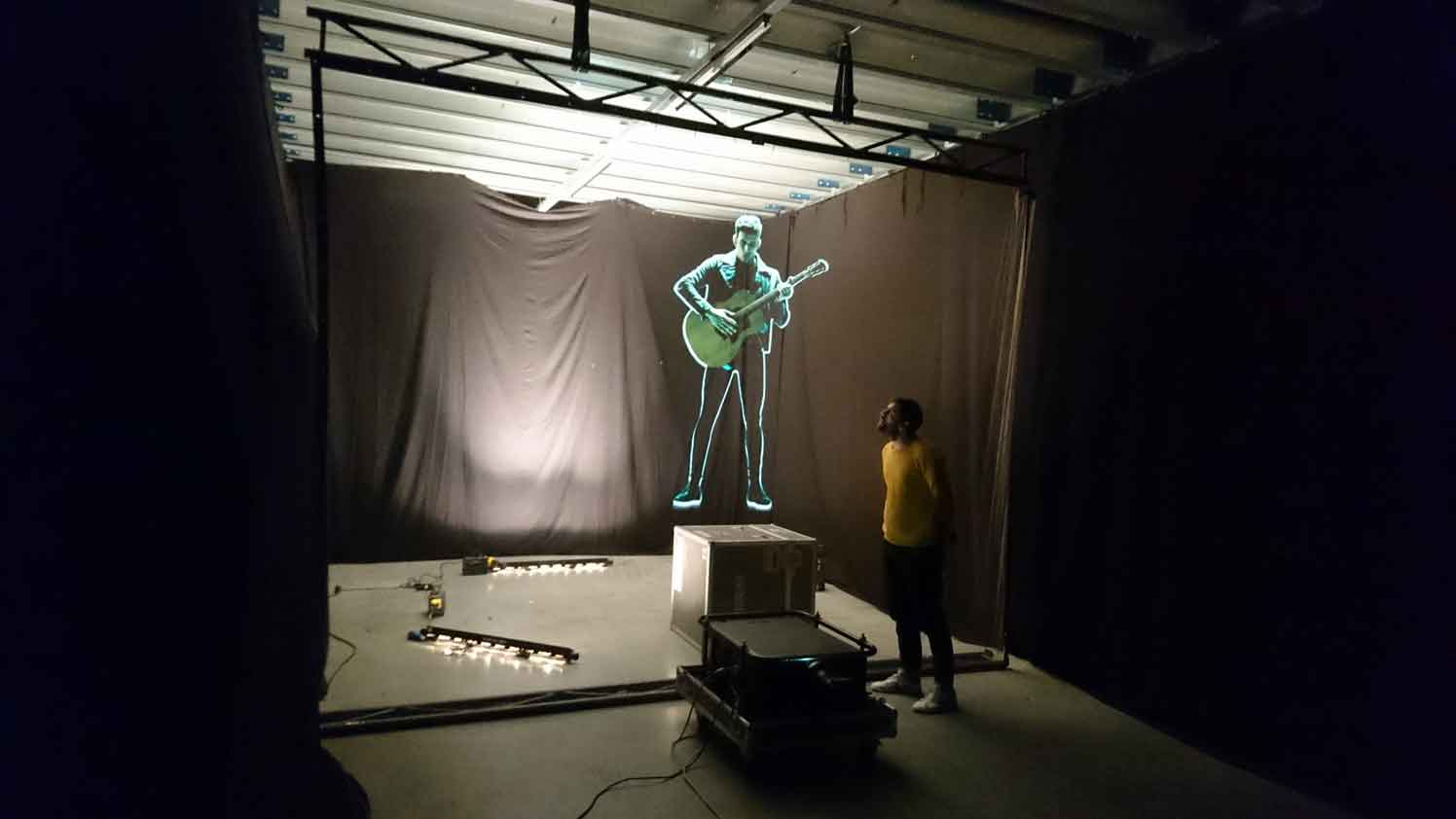
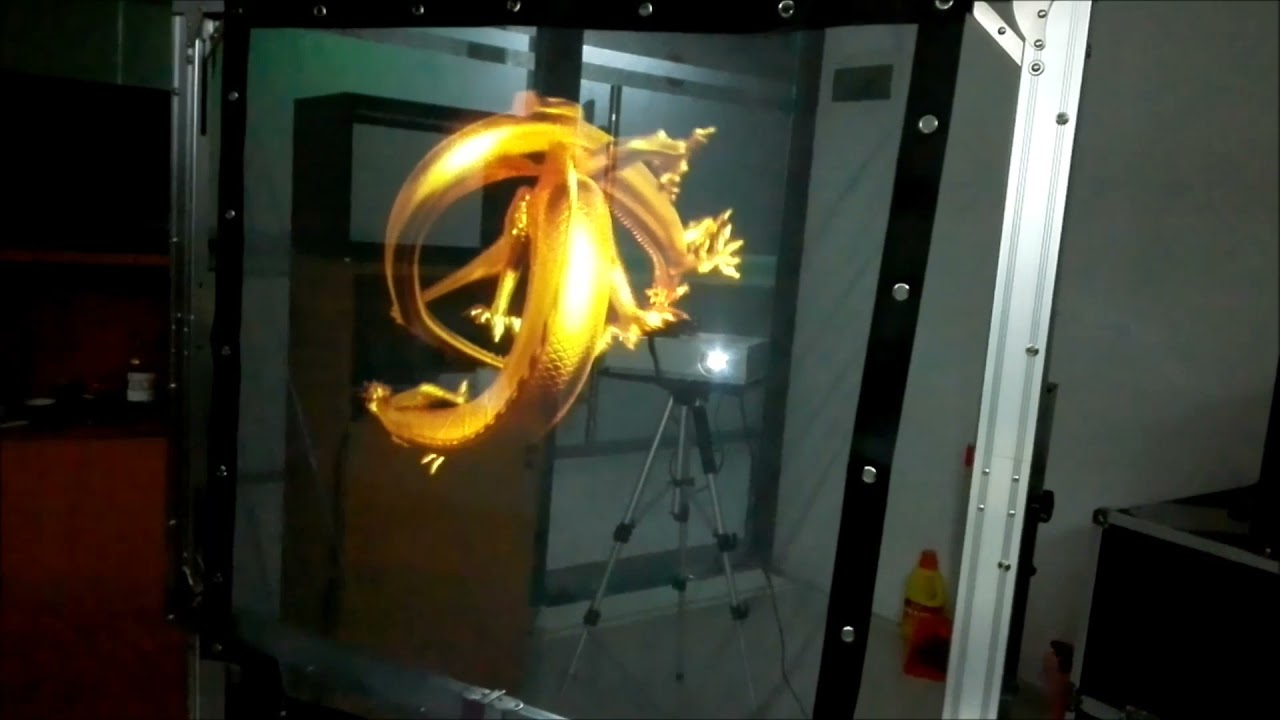
Projectors casting digital content onto semi-transparent surfaces: fabric gauze, fog curtains, water mist, or treated glass. In a dark room the screen surface effectively disappears and the projected image looks like it's hanging in space. Fog-based variants let people walk through the image, which is its own kind of moment.
It's a workhorse for concerts and music festivals where floating figures or cinematic elements need to share the stage; for exhibitions and sports events where fog or glass surfaces deliver scale without a screen frame; for brand experiences blending digital content with physical architecture; and for architectural visualisation that throws full-scale designs onto glass or temporary surfaces.
This category creates powerful effects with minimal hardware, and the projection surface is the design tool. Anything semi-transparent can become the screen, which makes it easy to drop into unusual venues and quick to deploy for temporary use. The thing to watch is light spill. Because the image passes through the screen, anything behind it gets lit too. A dark background and tightly managed ambient light are non-negotiable. It's not technically a hologram, but it's still one of the most theatrical ways to put an image in mid-air.
Picking one
The honest answer is that the brief picks the display, not the other way round. Shopfront with product on the other side of the glass: transparent OLED. Trade-show stand that needs to win the hall in a second: a fan or a cluster of them. Heritage piece where an actor has to share a room with a real artefact: Pepper's Ghost. Engineering or science content that has to read in 3D from any angle: a volumetric LED volume. Festival stage or temporary build where scale matters more than fidelity: projection onto fog, gauze or glass.
Get in touch if you're scoping a hologram brief and want a second opinion on which of these to reach for.