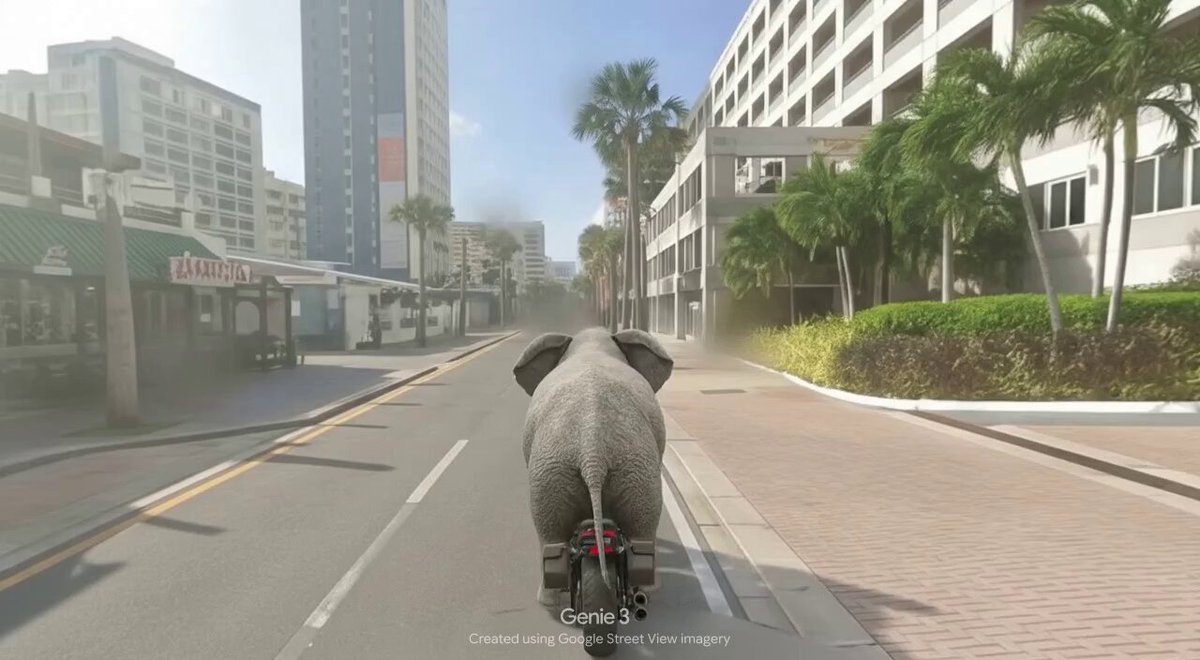
On Tuesday Google DeepMind plugged Project Genie into Street View. Pick a real place in the US, describe a character, and the model generates a walkable simulation of that exact corner of the world. Activation pitching just got a new tool. And an awkward new question.
Why this is different from generative video
Generative video has been part of the toolkit for two years now. You can already brief a ten-second clip of a Burberry trench walking through a fog-soaked alleyway, and it will be passable. What you cannot do is turn around and look at what is behind the camera. The model never made that side of the world.
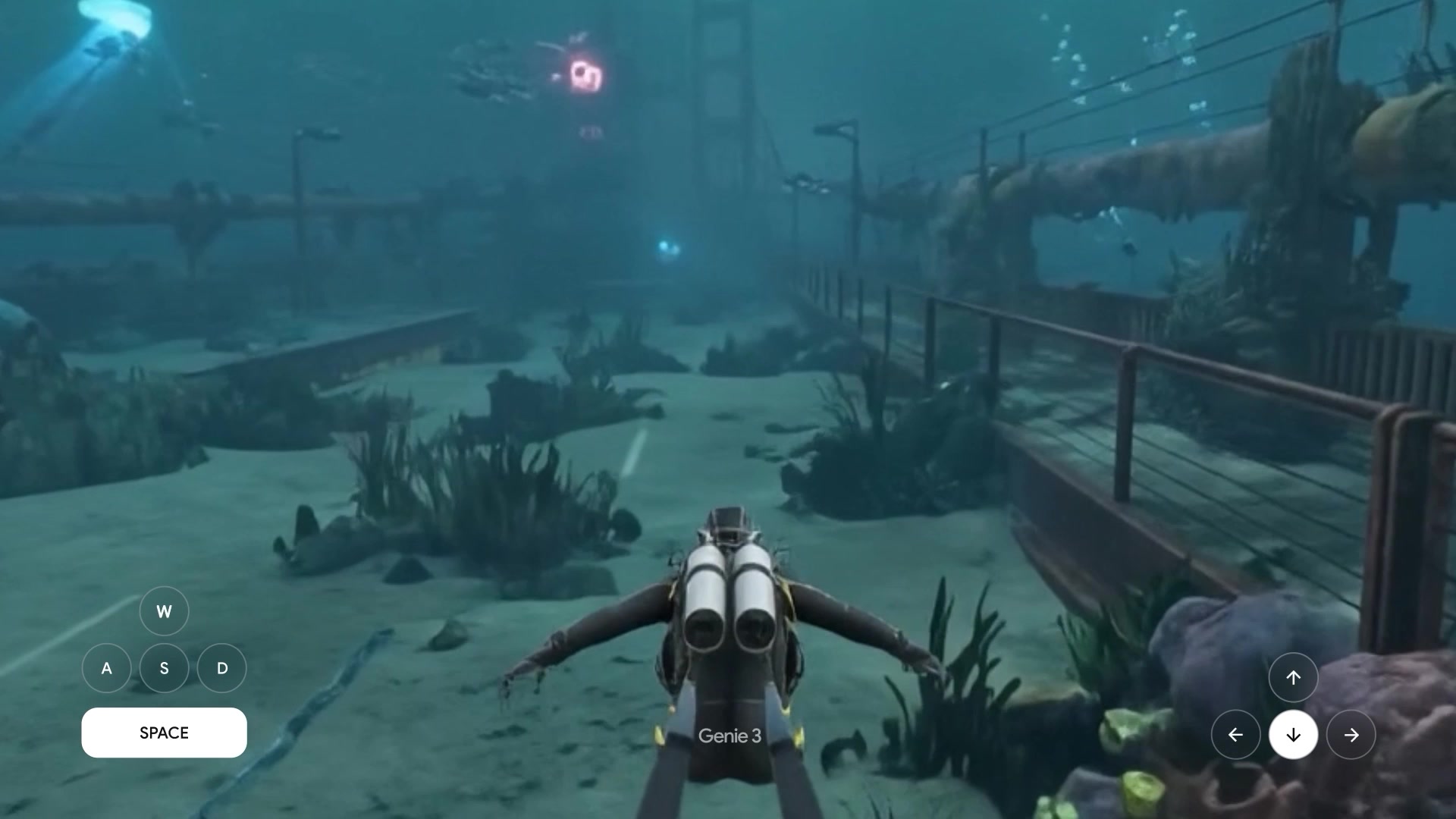
Genie 3 makes the whole space, not just the shot. It generates an interactive 720p environment at 24 frames per second with about a minute of visual memory, so the lamp post you walked past is still there when you turn back. Grounding it to Street View means the starting frame is a real place. Times Square, the Cannes Croisette, the strip of Sunset Boulevard you keep getting briefed to activate on. The model then keeps generating around you as you move.
The practical version of that: a client can step into a draft of their activation site, in their own venue, before anyone has booked a flight. The location recce stops being the first cost of the project. It becomes the pitch deck.
Where it helps, and where it does not yet
Useful first: pitching. We have spent years describing what an experiential build will feel like with mood boards, renders, and a lot of hand-waving. The gap between the brief and the felt experience is where projects get lost. A 90-second walkable simulation of the venue closes a lot of it.
Useful second: site planning. Sight lines, flow, crowd reads, where the LED pillar wants to sit relative to the espresso bar. All easier to debate when you can walk it. The hard part is that Genie's worlds are not physics-aware yet, so they will not tell you whether the pillar actually fits, or whether the wind will take the fabric down.
Where it does not help: anything that needs ground truth. Permitting, structural loads, the real light at golden hour on the actual day. The model is still a hallucination of the place, even when grounded. Treat it as a sketchbook, not a CAD file.
Cannes Lions opens in five weeks. Our money is on at least one winning Brand Experience entry having been pitched off a generative world-model walkthrough of its venue. The studios that learned to brief, prompt, and edit these things this spring will move faster on RFPs than the studios that did not. If your next brief wants a venue-grounded simulation sitting next to the renders, we should talk.