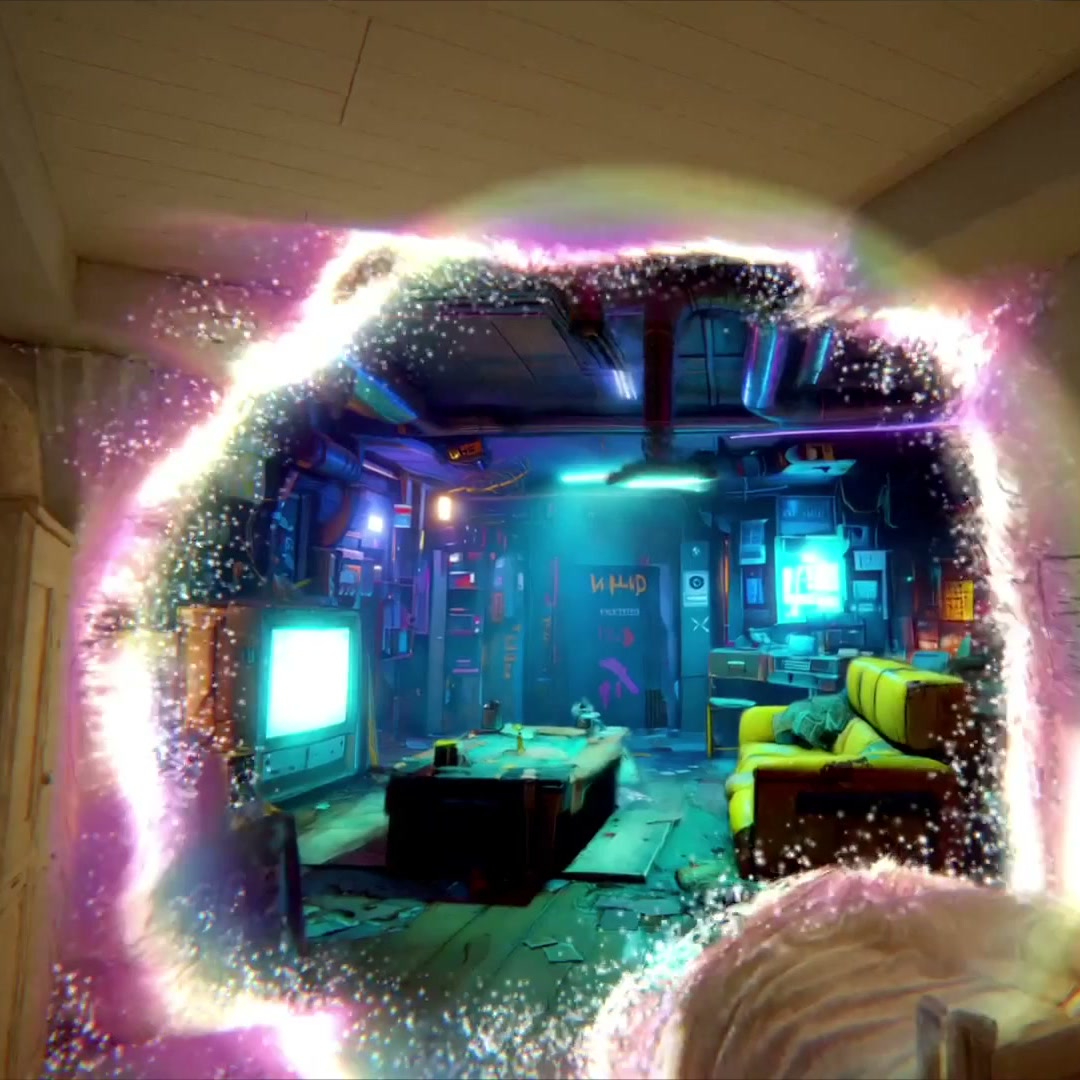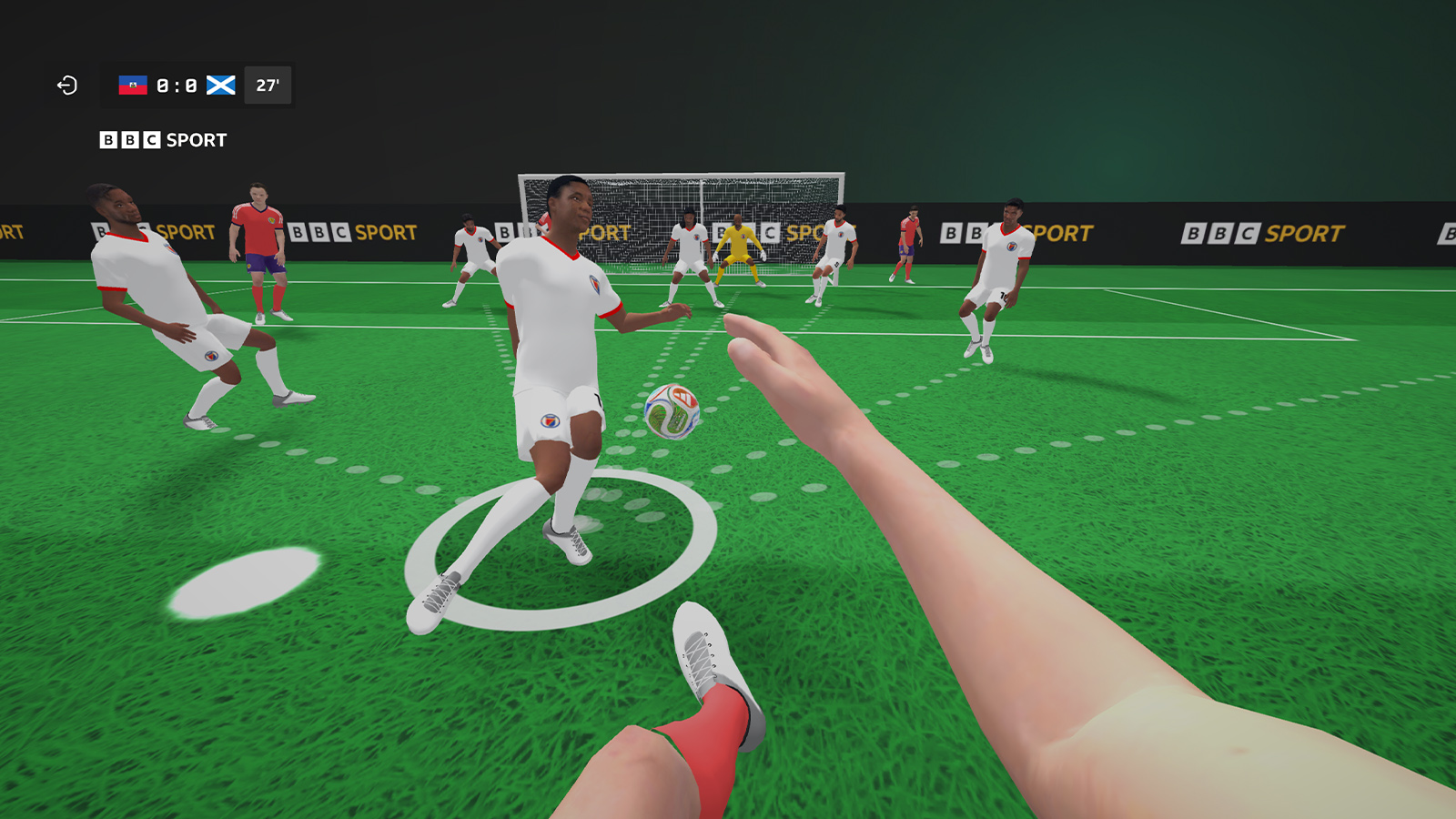

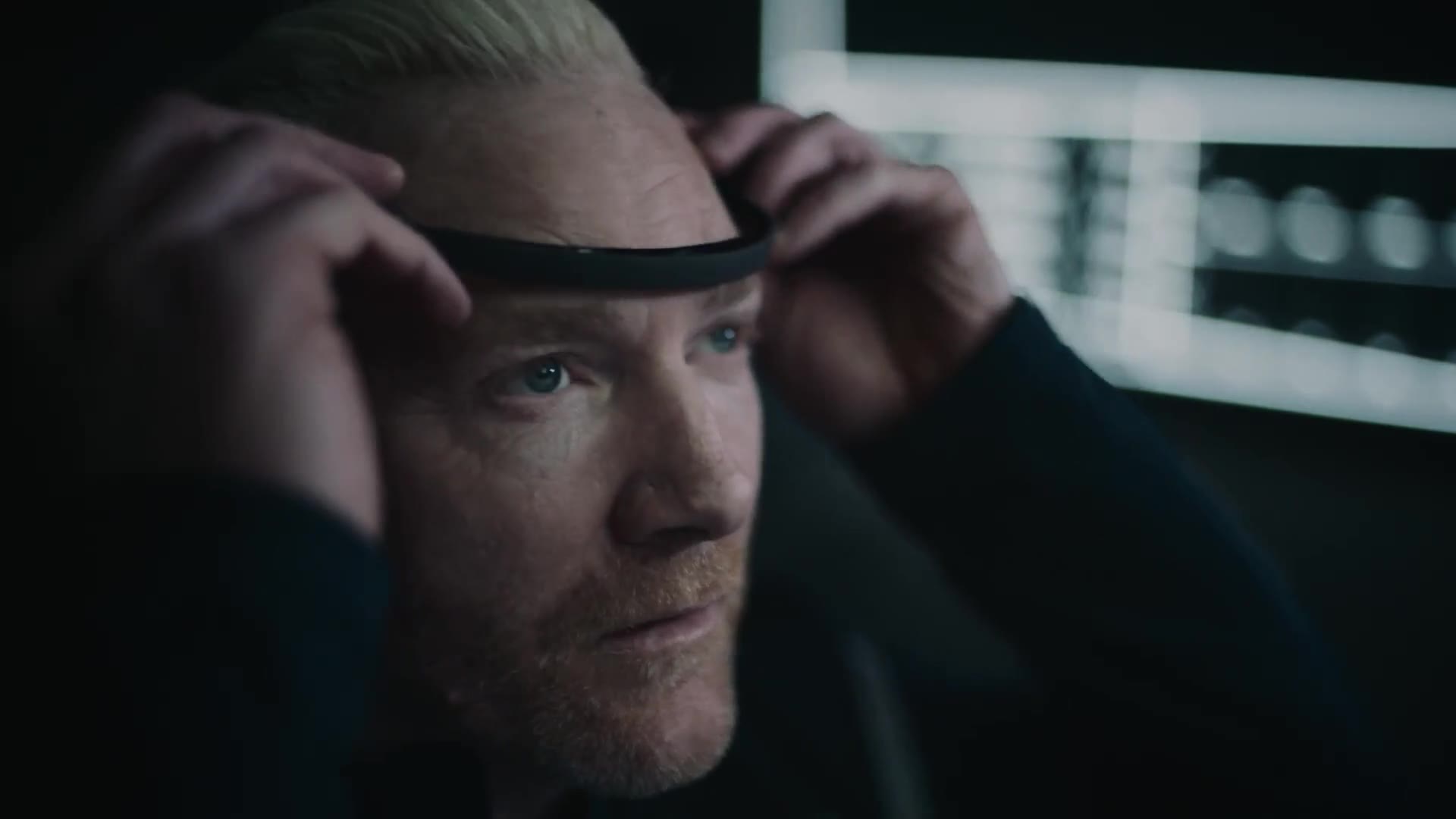
LumiMind's LumiSleep D1 is an EEG headband that reads brain activity through dry sensors and adjusts its audio in real time. It has been doing the rounds again this month. It is one of a steady line of 2026 wearables promising to read the mind, and it will end up in somebody's biometric activation brief.
What a consumer headband can and can't tell you.
To LumiMind's credit, the claims are specific. The headband reads electrical activity from the scalp, estimates how the brain is settling, and shapes a low rhythmic sound to suit. What we couldn't find is independent evidence that it helps anyone sleep better. The coverage we read was launch material, CES hands-ons and partner content. It may be a fine product. It is an unproven one, and that matters the moment a brand wants to borrow the idea.
The ask we hear most is some version of "we measured your emotions". It photographs well. The trouble is that almost no consumer sensor can do it, and an audience from health, sport or tech will know.
Proxy metrics and validated measures are different things.
Heart rate is a proxy. It rises with excitement, fear, laughter, caffeine and a flight of stairs. It tells you the body is aroused. It can't tell you which emotion is responsible. A 2018 meta-analysis of more than 200 studies in Psychological Bulletin found that patterns of bodily response did not clearly separate one emotion from another.
Heart rate variability (HRV) is the variation in time between consecutive heartbeats, and it reflects how the nervous system is balancing activation against recovery. Under proper conditions (a seated participant, a clean signal, a sensible recording length and a personal baseline) it is a well-studied marker of stress and recovery. On an excited person talking at a busy stand for ninety seconds, most of those conditions are gone.
EEG sits in a similar place. Research systems use dense electrode caps, gel and a quiet room. Consumer headsets use a handful of dry sensors. A 2024 comparison in Sensors found their signals departed from a research amplifier, mostly at low frequencies, and judged one headset's temporal channels unusable. Blinks, jaw clenches, posture shifts and talking all show up in the trace.

What we learned measuring minds for ASICS.
Our own work sits on both sides of the line. For the ASICS #MindMover Study with Edelman, we used EMOTIV EEG headsets to track participants' neural activity before, during and after exercise, across several cities. Dr Brendon Stubbs of King's College London provided the academic framework and interpreted the findings. We built validation steps into each session to flag and exclude poor recordings, so the dataset reflected measurement rather than noise.
Mind Race, with ASICS and Golin, paired EEG with each participant's self-reported Mind Uplifter scores. Dr Stubbs led the methodology and analysis. Brainwave data and self-report capture different layers of the same state. Read together, they are harder to dismiss than either on its own.
At the other end, our Stress Simulator for Quadient and HUSSEL used heart rate from a wearable, visualised live while participants sat in a deliberately chaotic 1990s office. We chose heart rate because it was legible in real time, and we described it as a proxy for stress, not a measure of it. People still queued for it.
Where the signal becomes the show.
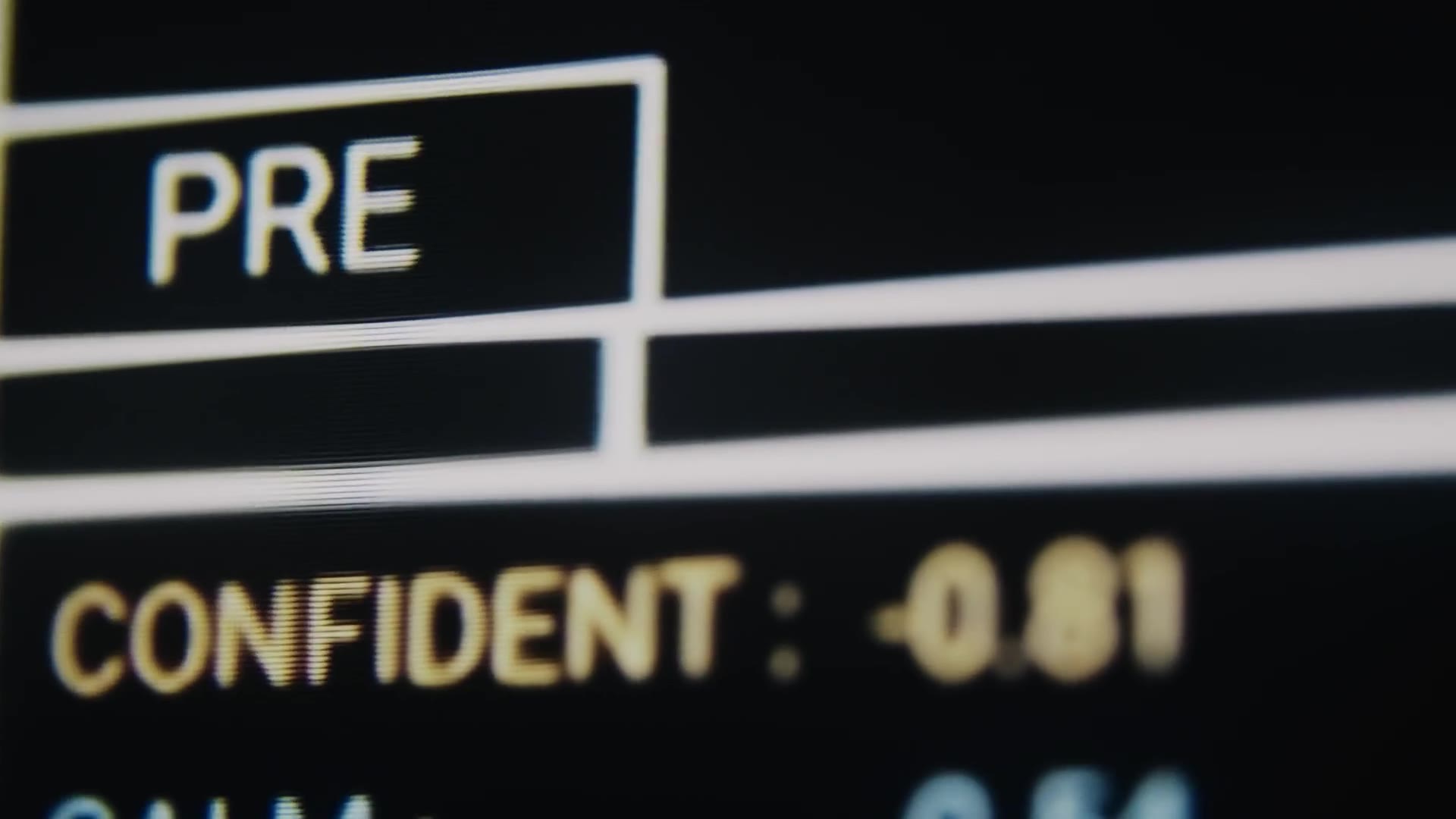
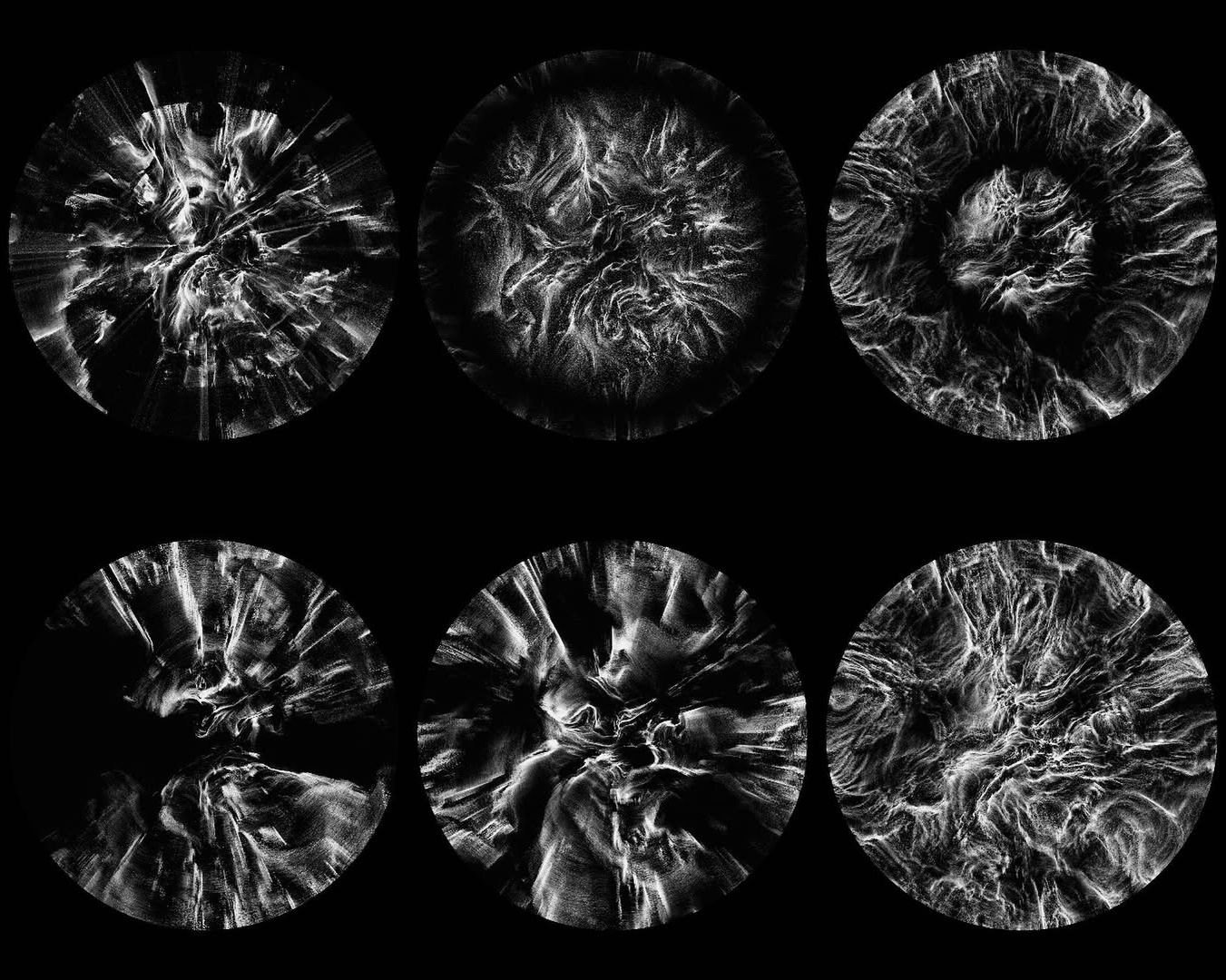
The part guests remember is the visual, and this is where the design work lives. The same heartbeat can drive the swell of a wave field, the turbulence of a particle storm or the texture of a glowing iris. We have explored routes like these for EEG and heart rate data, and the rule we keep coming back to is simple. Map the signal to motion, colour and texture, never to labels like calm or anxious. Every guest leaves with a different piece of art, and nobody leaves with a diagnosis.

Designing a biometric brief that stays honest.
Decide what the claim is first, then pick the sensor that can carry it. "Your heart rate climbed in the chaos room" is true and fun. "We detected your anxiety" isn't, from a chest strap. If the claim needs to be published or cited, it needs a researcher, a protocol, a data quality check and a budget line that admits all of that. At that point it is a study with an activation on top, which is a stronger asset anyway.
Language carries a lot of the weight. Show the signal, name it plainly and let the participant interpret it. Pair the sensor with a self-report question so the person stays the authority on how they feel.
Consumer neurotech will keep getting smaller and better, and some of these devices will earn proper validation. Until a headband does, we'd treat its output as a good visual and the start of a conversation, not a verdict on anyone's mind.
If you're weighing up a sensor-led activation and want it to hold up when a journalist or a scientist asks how it works, talk to us.