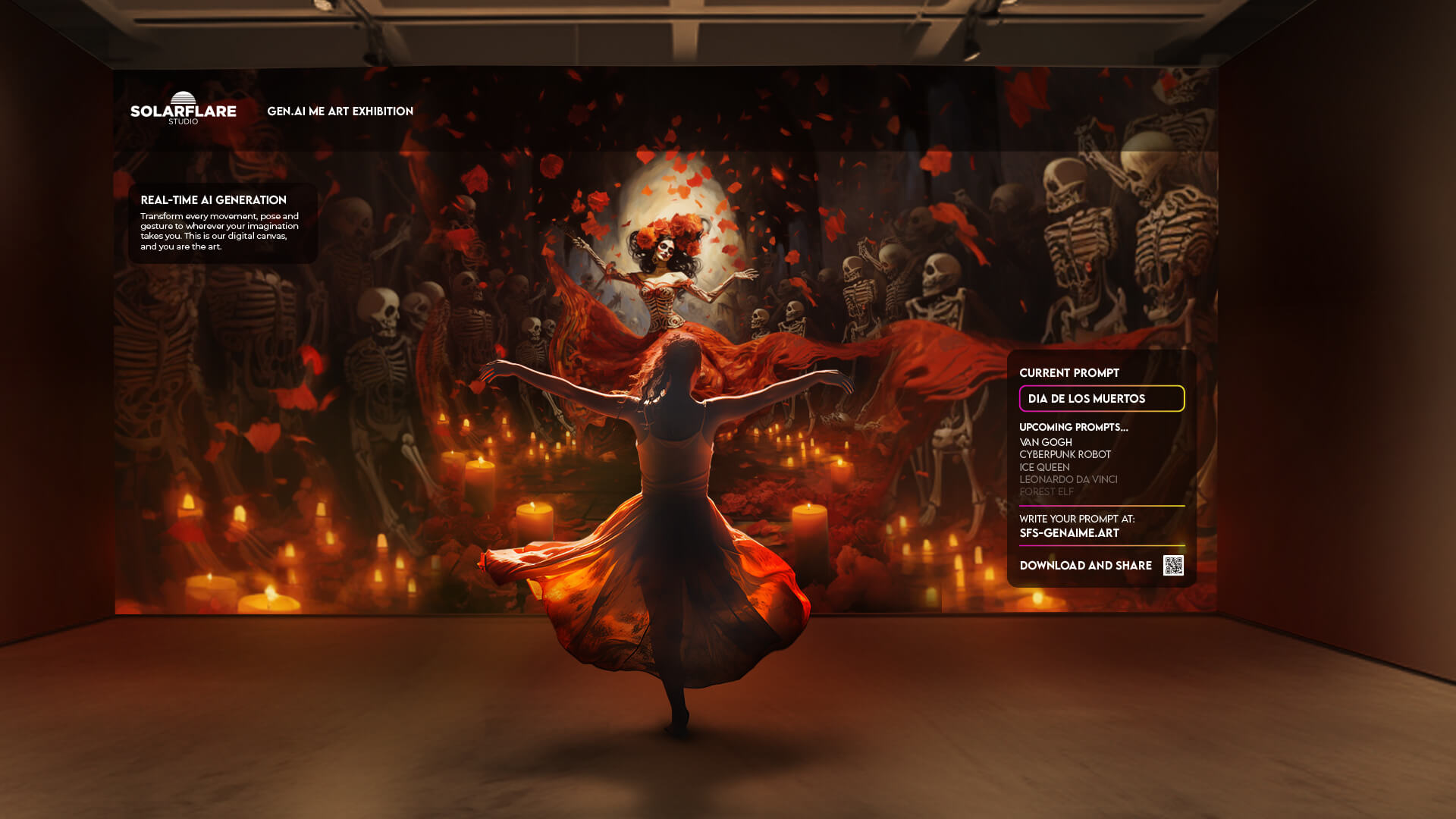
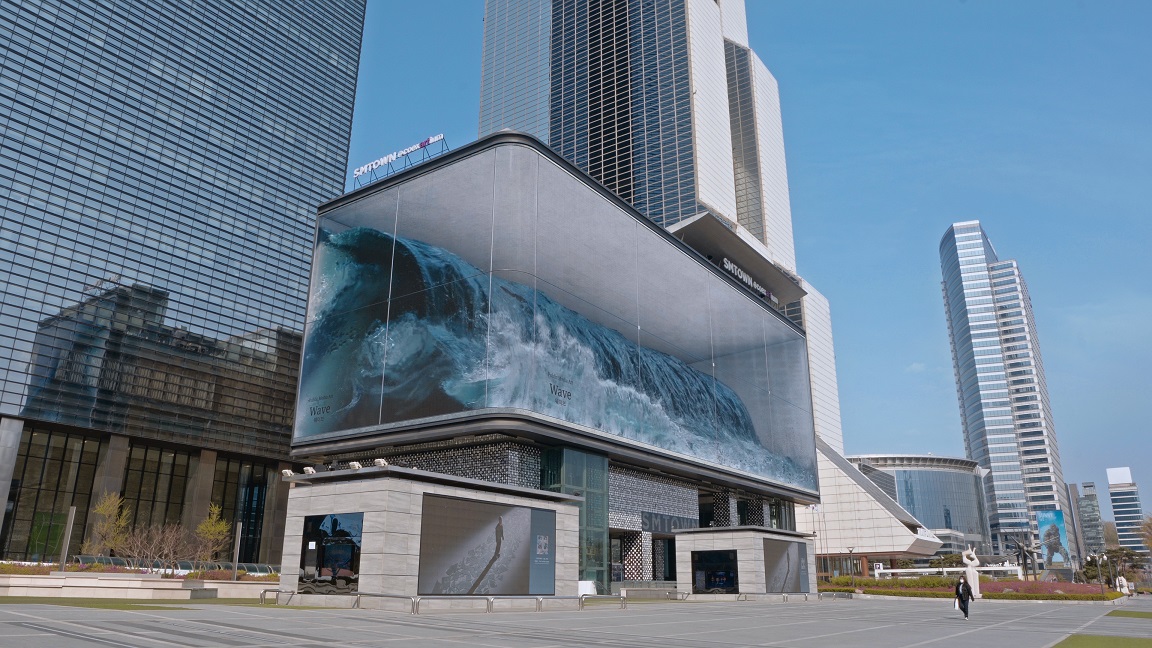
Three-dimensional anamorphic screens, floor-to-ceiling LED at product launches, curved display walls at brand activations across London. The format that felt genuinely new four years ago is the default brief now for any brand with a serious events budget. Worth saying before the next pitch meeting.
Photo: Artur Kechter on Unsplash
Why spectacle worked, and what changed
The argument for large-format display was always about earned attention. A screen that curves around architecture and generates apparent depth interrupts the visual field in a way a billboard doesn't. The early Outernet London activations and the first anamorphic work at Piccadilly Circus stopped people mid-step because the format was genuinely unexpected.
It still stops people. The difference is that the pause is shorter, and the social share that used to follow it is less reliable. When everyone in your audience has already seen a curved LED wall doing something clever on their timeline, the threshold for "worth filming" has moved. The format hasn't lost its impact. It has lost its novelty premium, and novelty was doing a meaningful amount of work.
Award shortlists at Cannes Lions last year had more pure spectacle entries than any previous year. Judges in the Brand Experience category reported genuine difficulty separating them. The problem wasn't that the work was bad. It was that it looked like the work next to it.
That's the ceiling problem. The floor problem is separate: production costs for large-format LED have dropped considerably. A format that used to signal serious investment now signals serious spend. They are not the same thing.
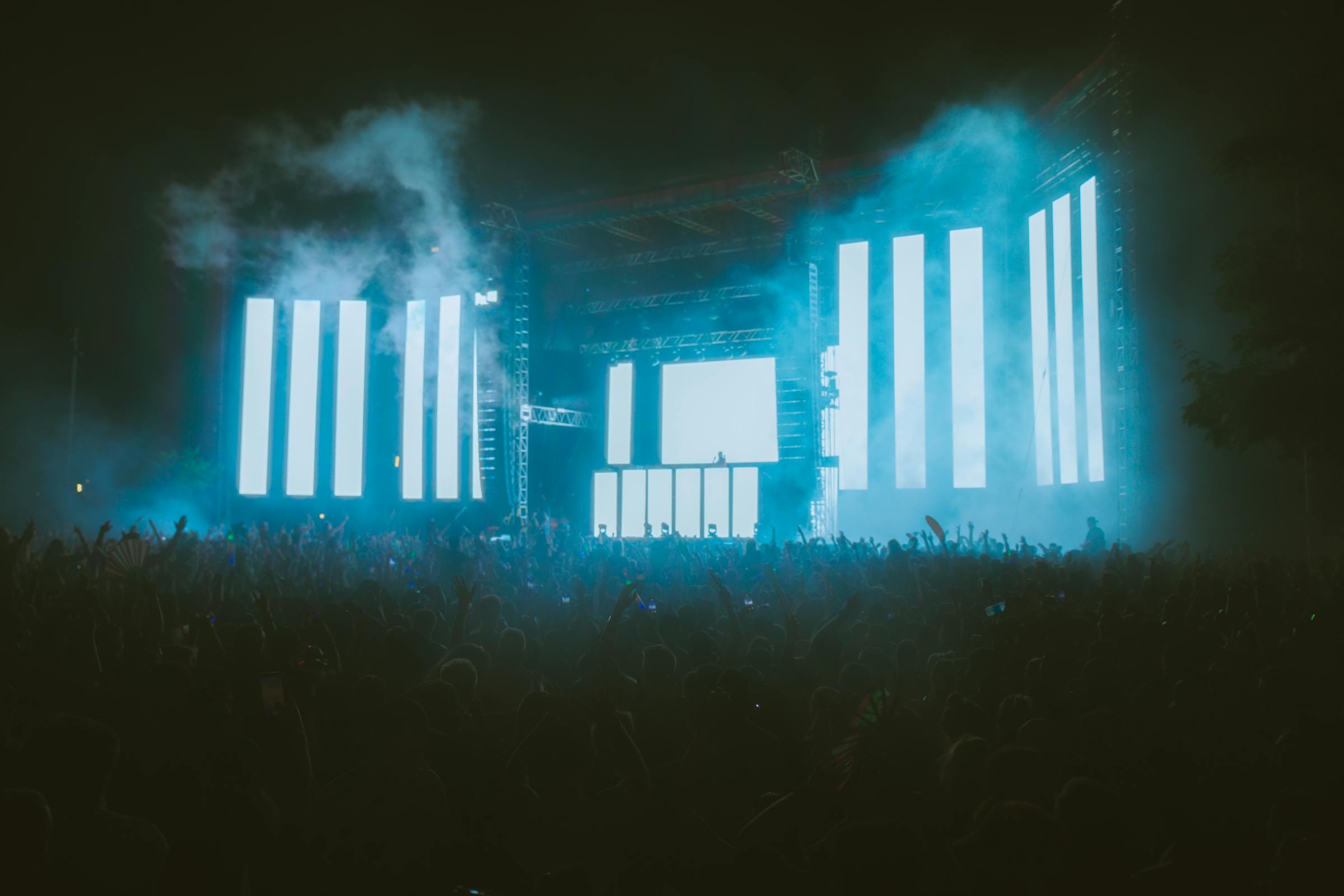
Photo: picswithjer on Unsplash
What the next brief needs
The brands getting the most earned coverage at live events have shifted the question from "how big?" to "what does it do when someone interacts with it?" Rivian's off-road course at SXSW 2026, a physical experience that resisted adequate photography, generated more earned media than most of the digital spectacles running alongside it. McDonald's ran an activation where attendees exchanged personal stories for branded physical keepsakes. Both required real dwell time and produced genuine coverage because they gave the audience something to do rather than something to look at.
The pattern holds across categories and budget levels. Spectacle earns a glance. Participation earns a conversation. Brands building activations with a core mechanic at the centre, something that requires the audience and produces something different per person, are getting the coverage that the big screen alone stopped guaranteeing a couple of years ago.
This doesn't mean walking away from visual ambition. It means treating it as the entry condition rather than the whole brief. The display gets people to stop. What happens in the next thirty seconds is the actual design problem.
What we're seeing in briefs now is brands asking for work where the technology facilitates an interaction rather than being the interaction. That's a more interesting problem to design for, and it tends to produce work that travels past the event floor and into earned coverage.
If you're planning a brand activation and want to push past the spectacle brief, get in touch.